

Follicular Unit Excision
Find a Permanent Solution to Hair Loss With FUE
Follicular Unit Excision - FUE
Follicular Unit Extraction (FUE) is a minimally invasive hair transplant procedure offered at Prime Hair Clinic in Calgary, Alberta. FUE involves harvesting individual hair follicles from the donor area and transplanting them into areas of thinning or hair loss. This technique is performed by licensed medical professionals and is commonly chosen for patients seeking natural results with minimal visible scarring and a shorter recovery period.
What Is FUE Hair Transplant Surgery?
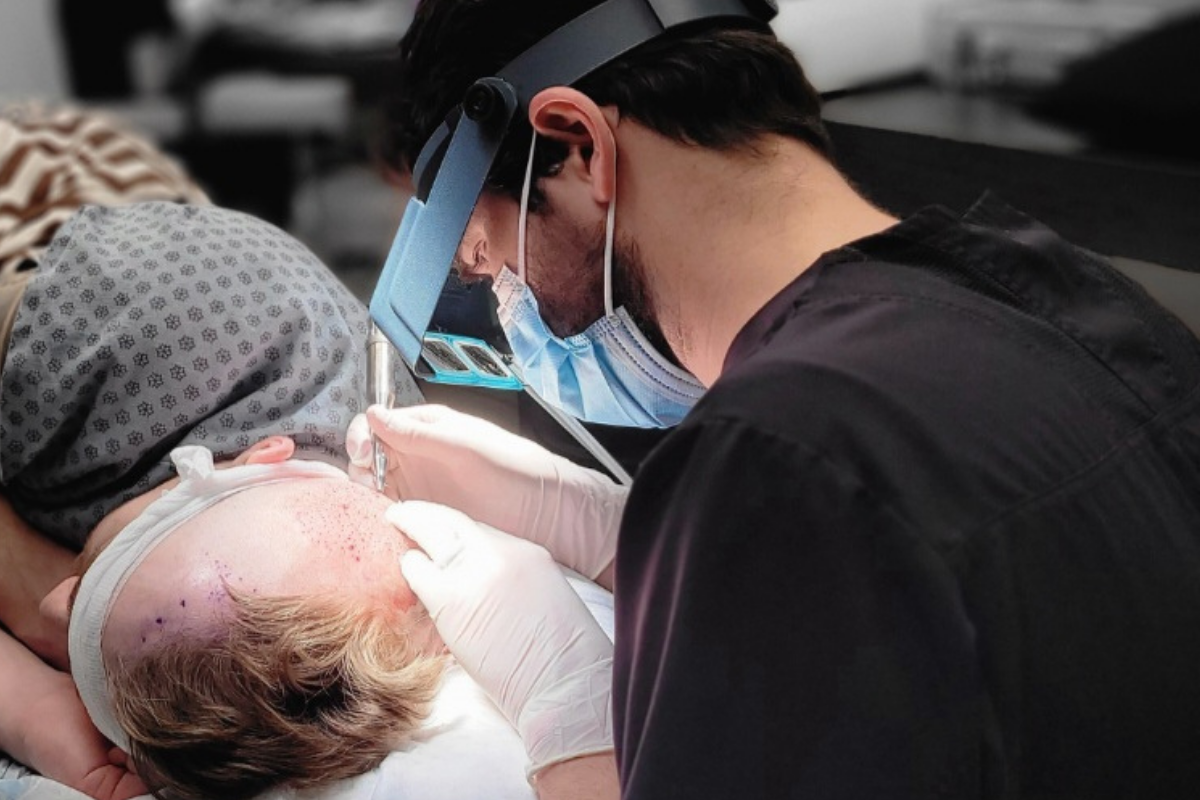
FUE is an advanced hair restoration technique that removes individual follicular units directly from the donor area using specialized medical instruments. These follicles are then carefully implanted into areas experiencing hair loss to restore natural density and hairline appearance.
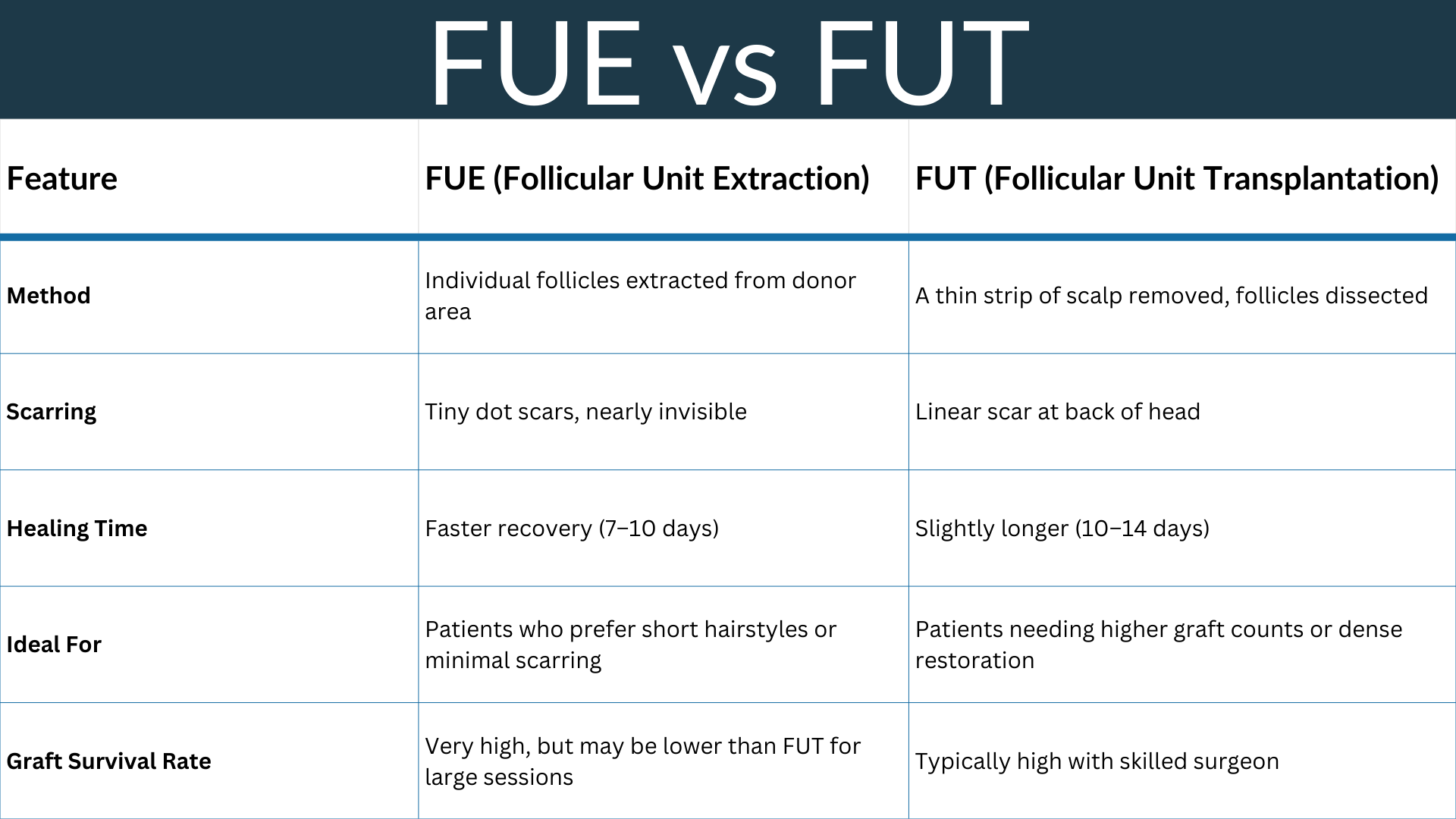
Because FUE does not require a linear incision, it leaves small dot scars that are typically not noticeable once healed, making it a popular option for patients who prefer shorter hairstyles.
Who Is a Good Candidate for FUE?
FUE may be an ideal option for individuals who:
Have mild to moderate hair loss
Prefer minimal visible scarring
Wear short hairstyles
Have good donor hair density
Want a less invasive procedure
FUE may not be ideal for patients requiring very high graft counts in a single session. A medical consultation is required to determine candidacy.
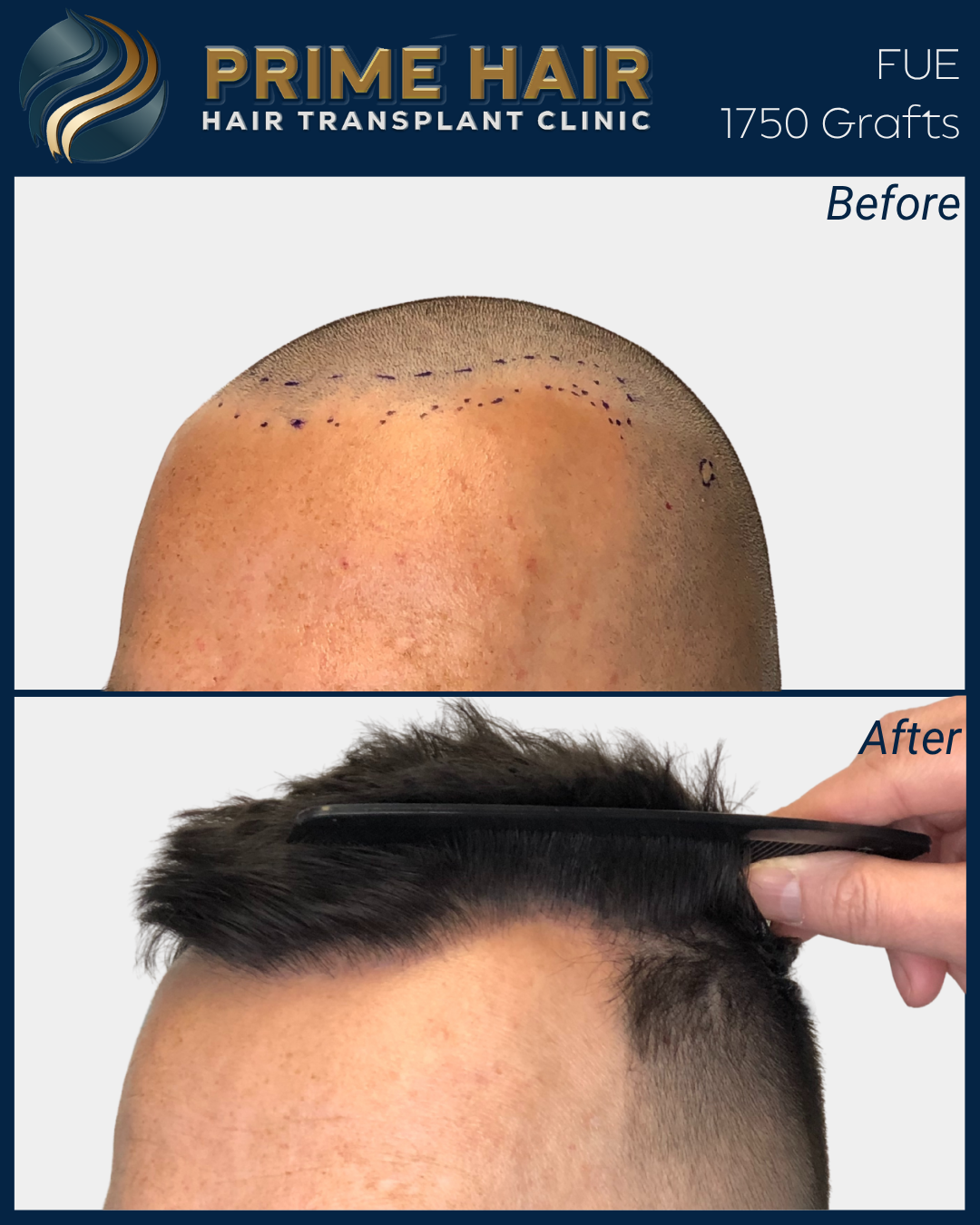
How Does FUE - Follicular Unit Excision Work?
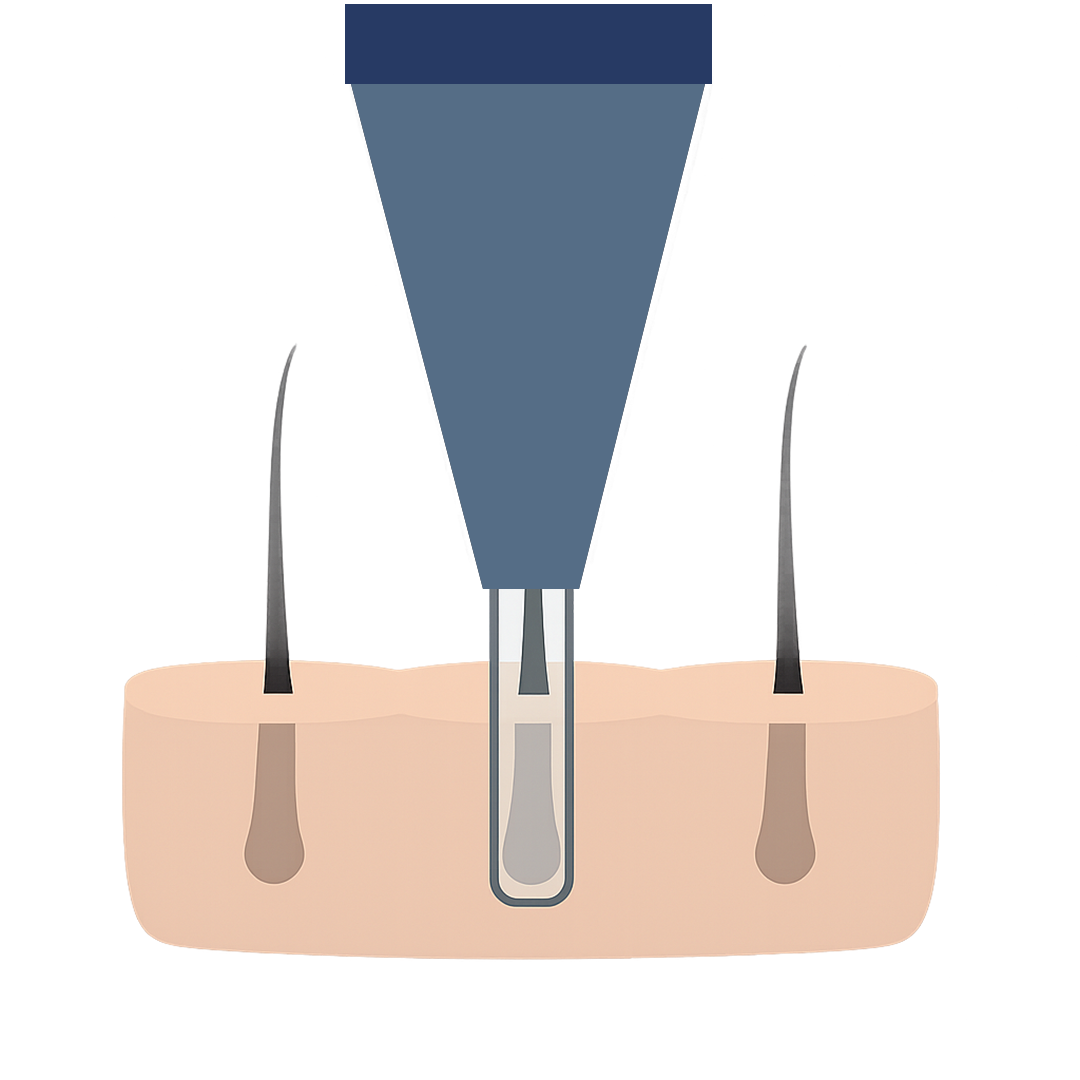
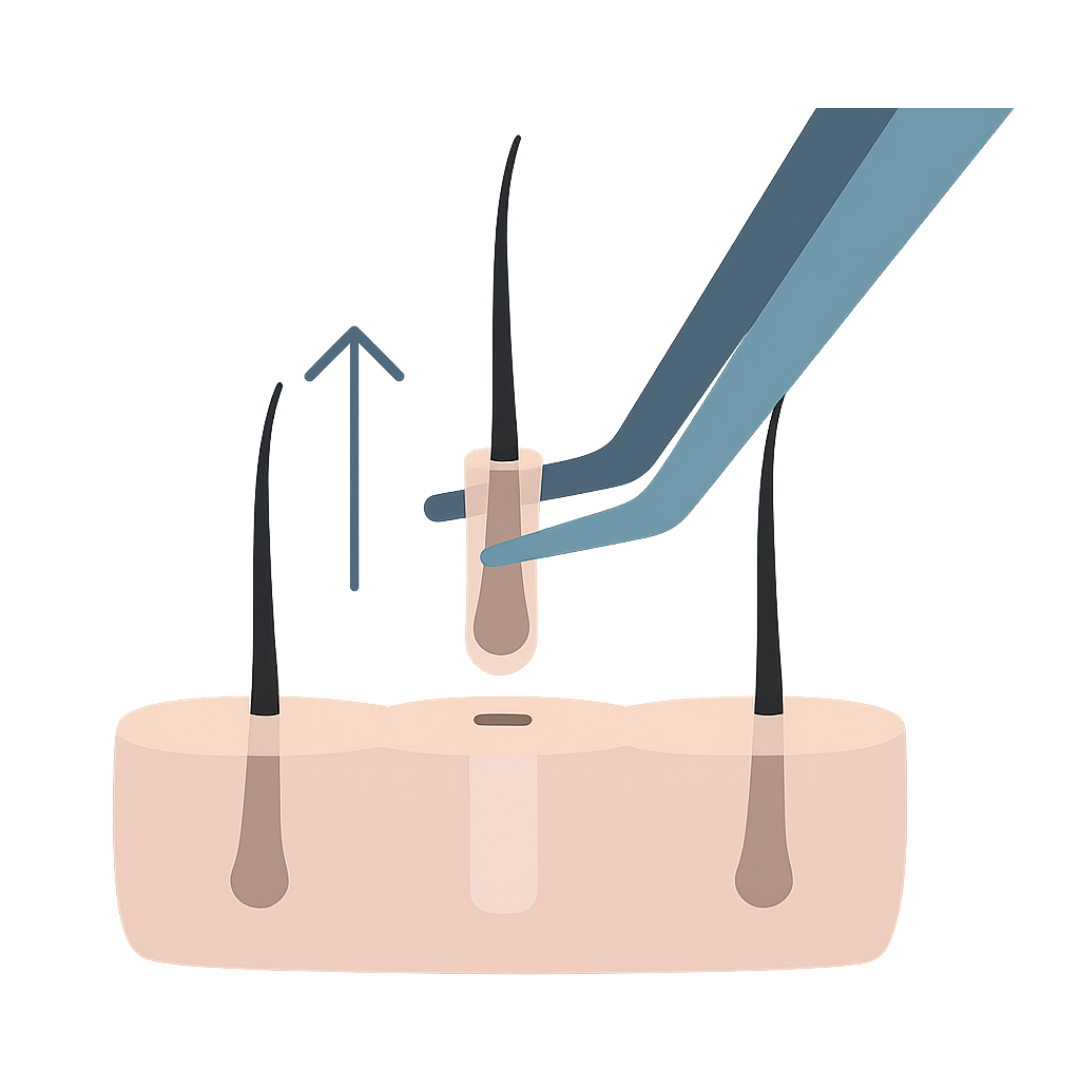
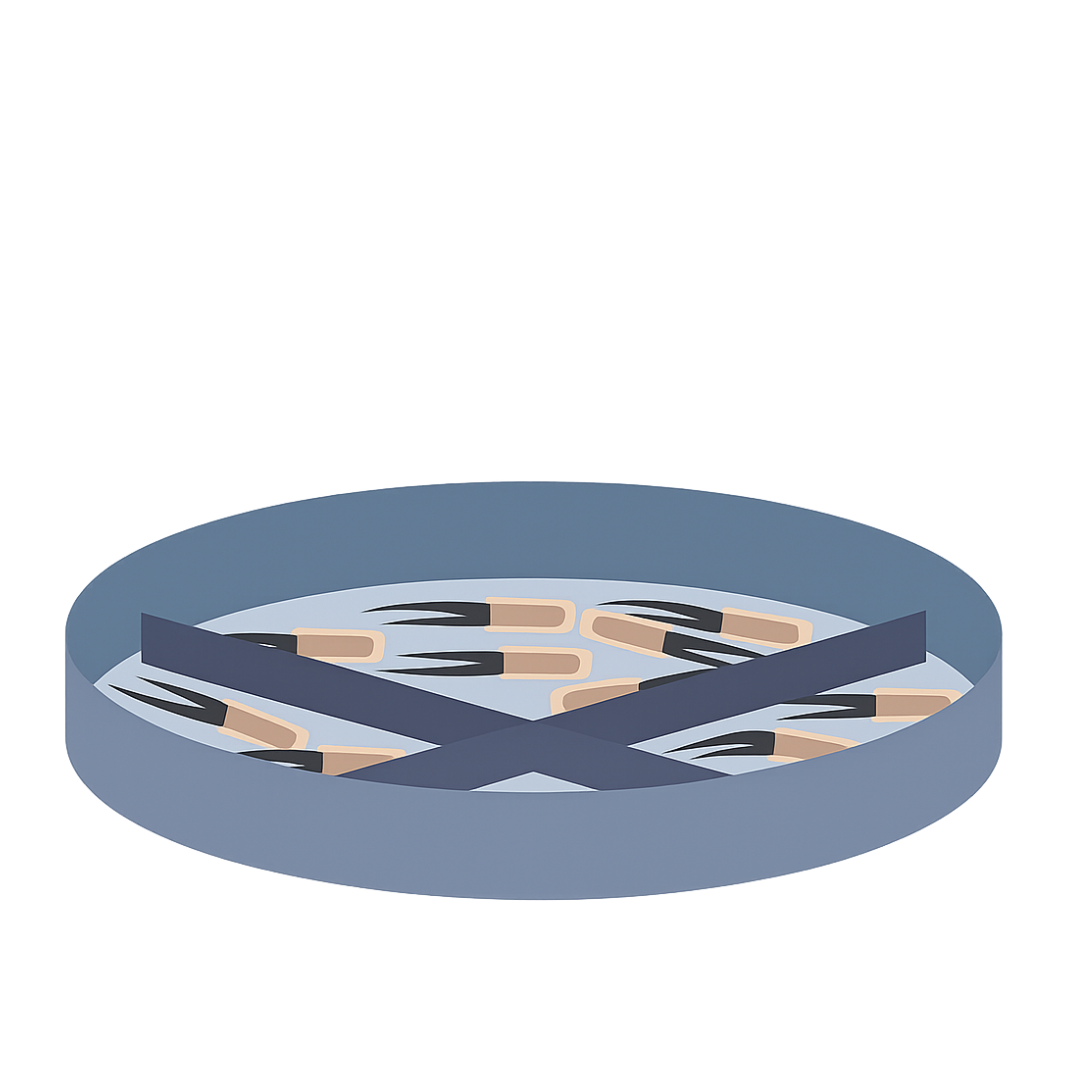
Excision of Follicular Units
Punch Inscision
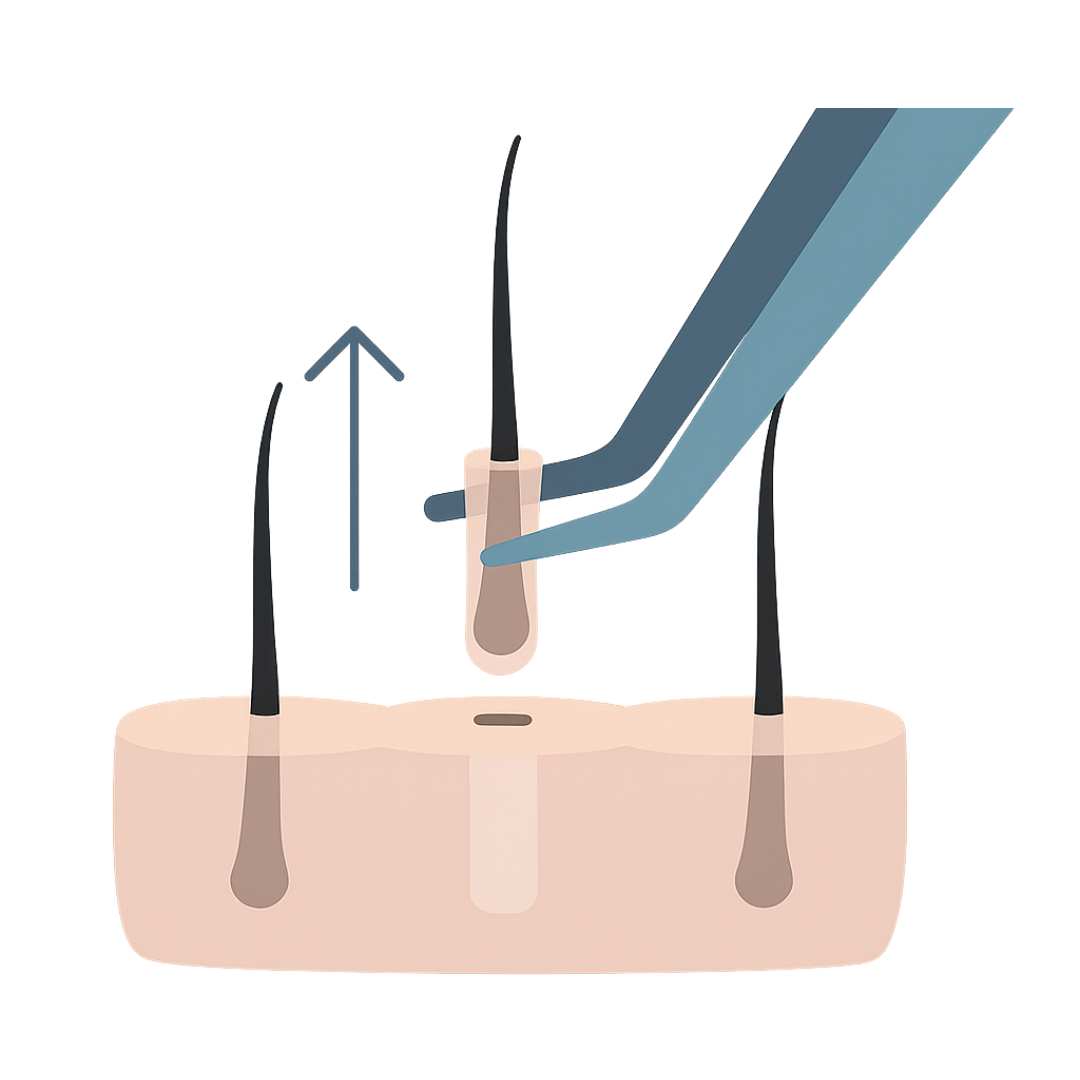
Harvesting Grafts
Graft Implantation
How the FUE Procedure Works
Medical consultation and hair analysis
Donor area preparation
Individual follicle extraction
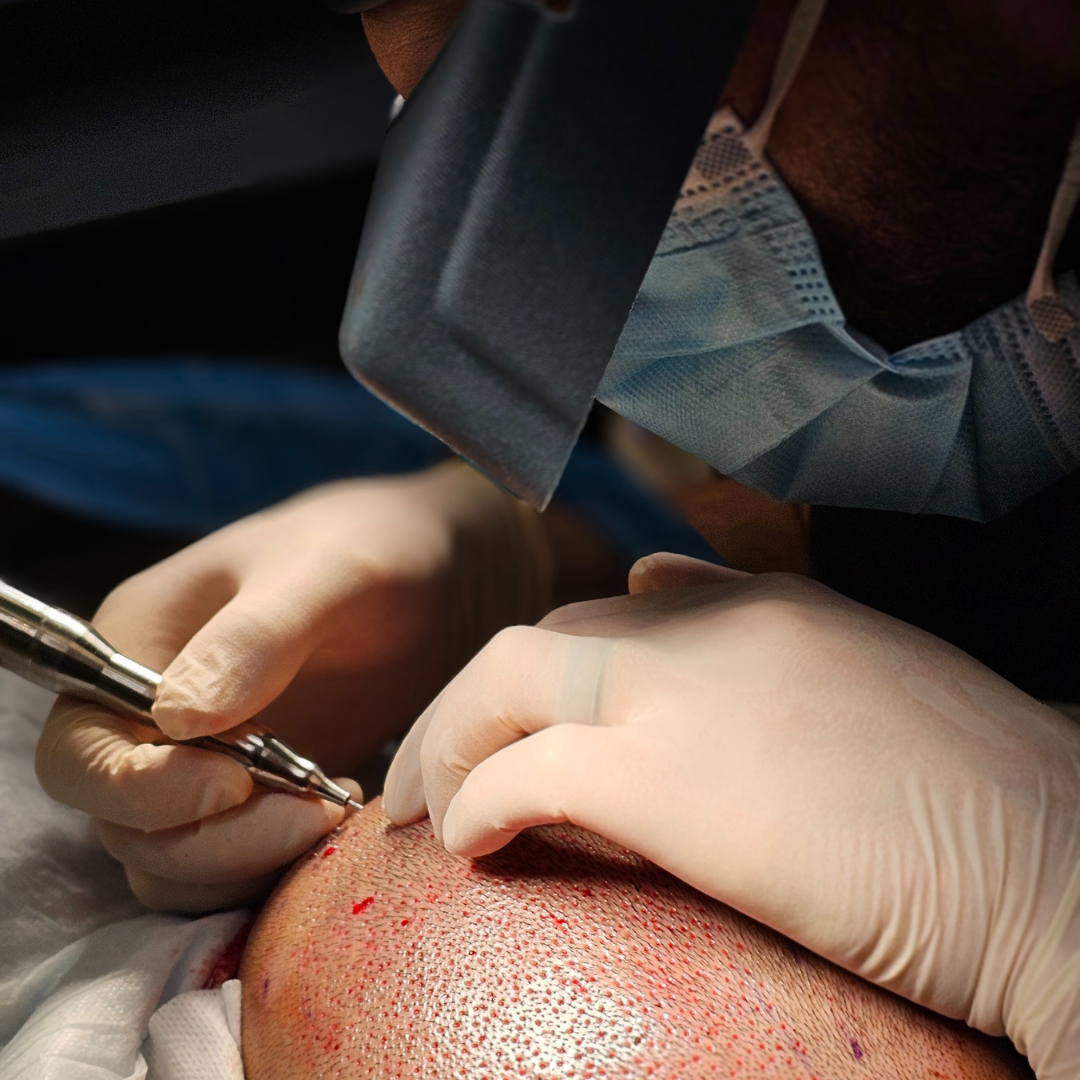
Recipient site creation
Precise graft placement
The procedure is performed under local anesthesia to ensure patient comfort. Attention is paid to hair direction, angle, and design to achieve a natural, seamless result.
Recovery Timeline & Healing
Days 1–3: Mild redness or swelling
7–10 days: Small extraction sites heal
2–4 weeks: Transplanted hairs shed
3–4 months: New growth begins
9–12 months: Final results visible
Post-treatment care instructions are provided to support optimal results.
Risks & Scarring
FUE is considered low risk when performed by trained medical professionals. Temporary redness, swelling, or sensitivity may occur. Dot scars are typically very small and difficult to detect once healed.
All risks are discussed during your consultation.
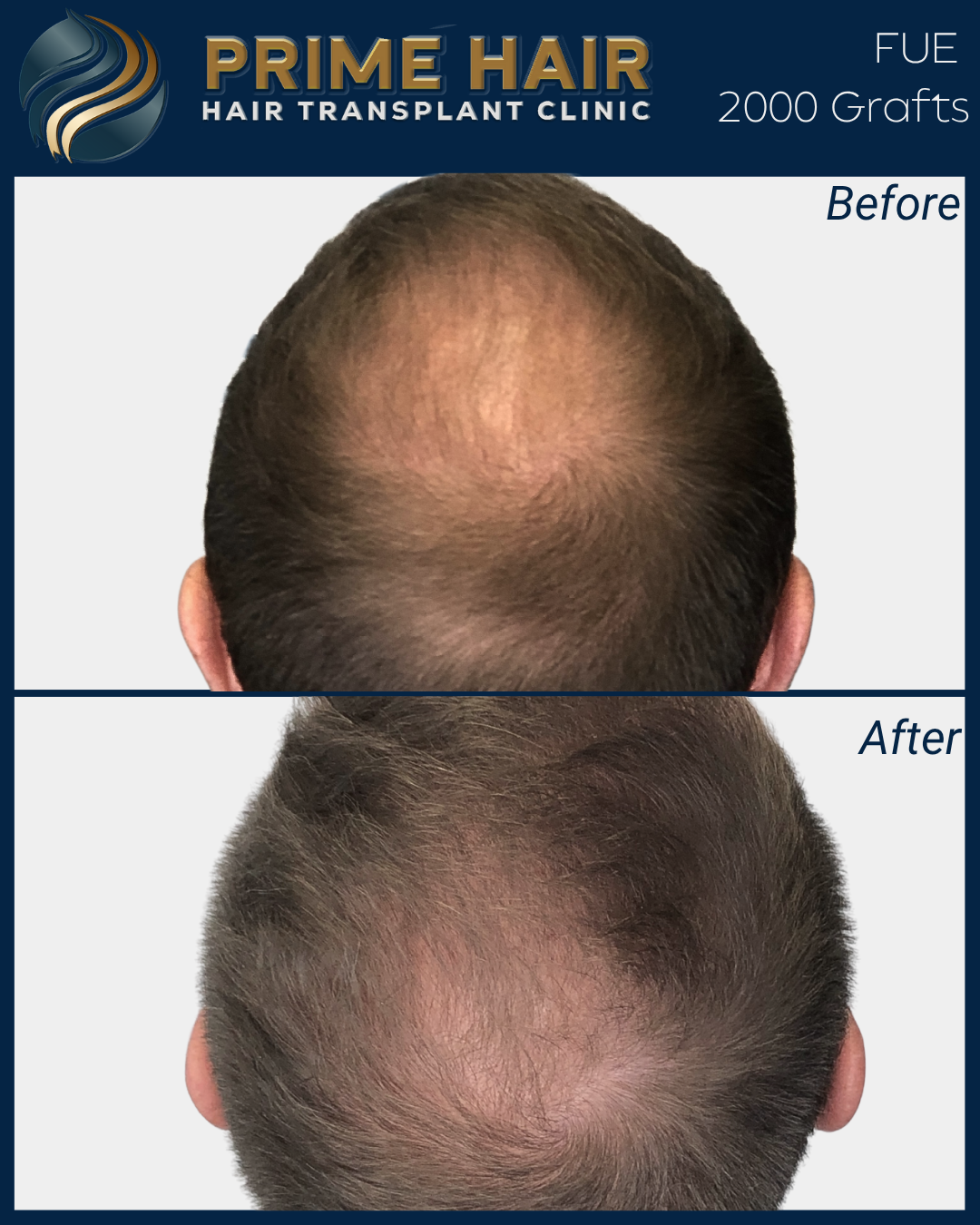
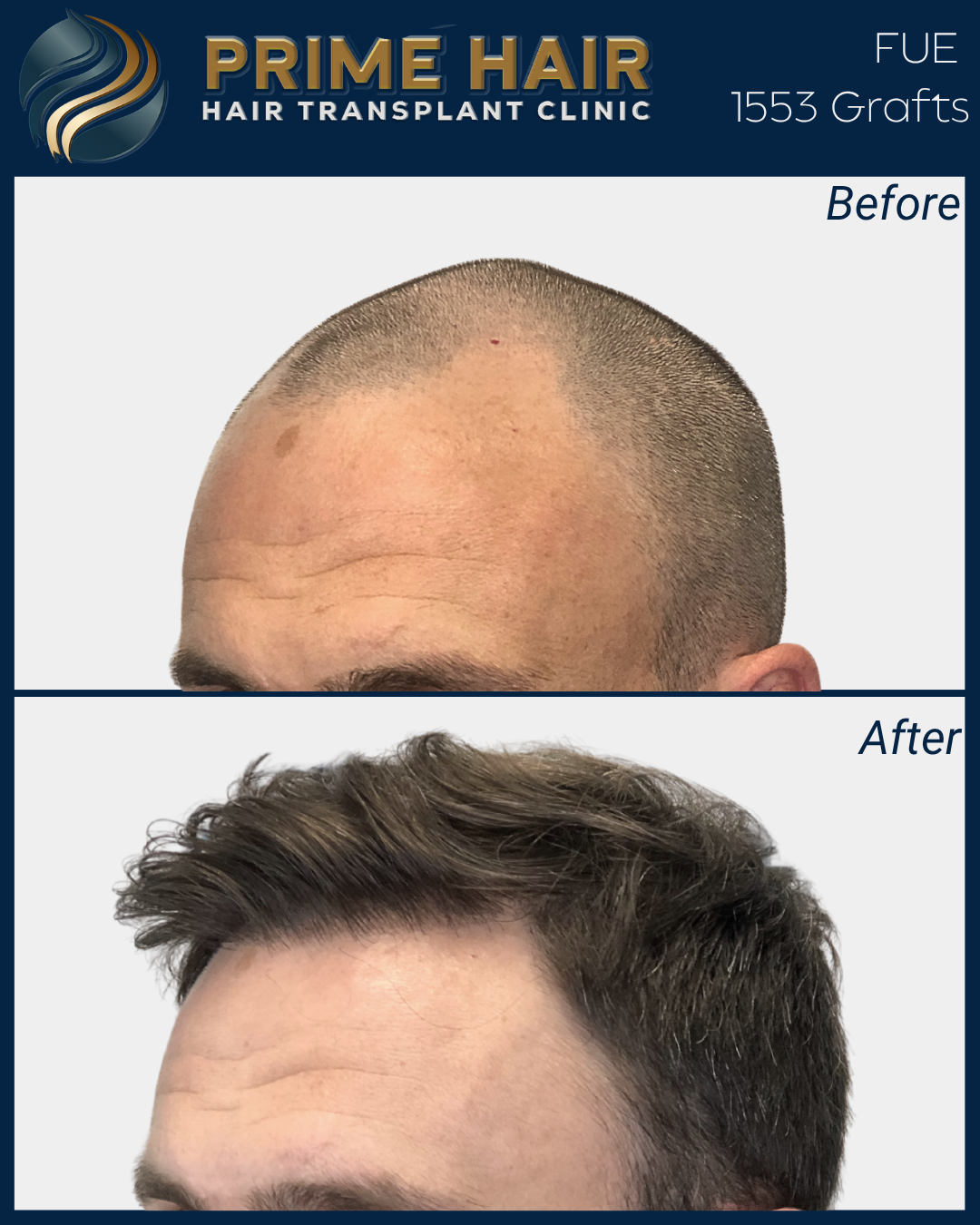
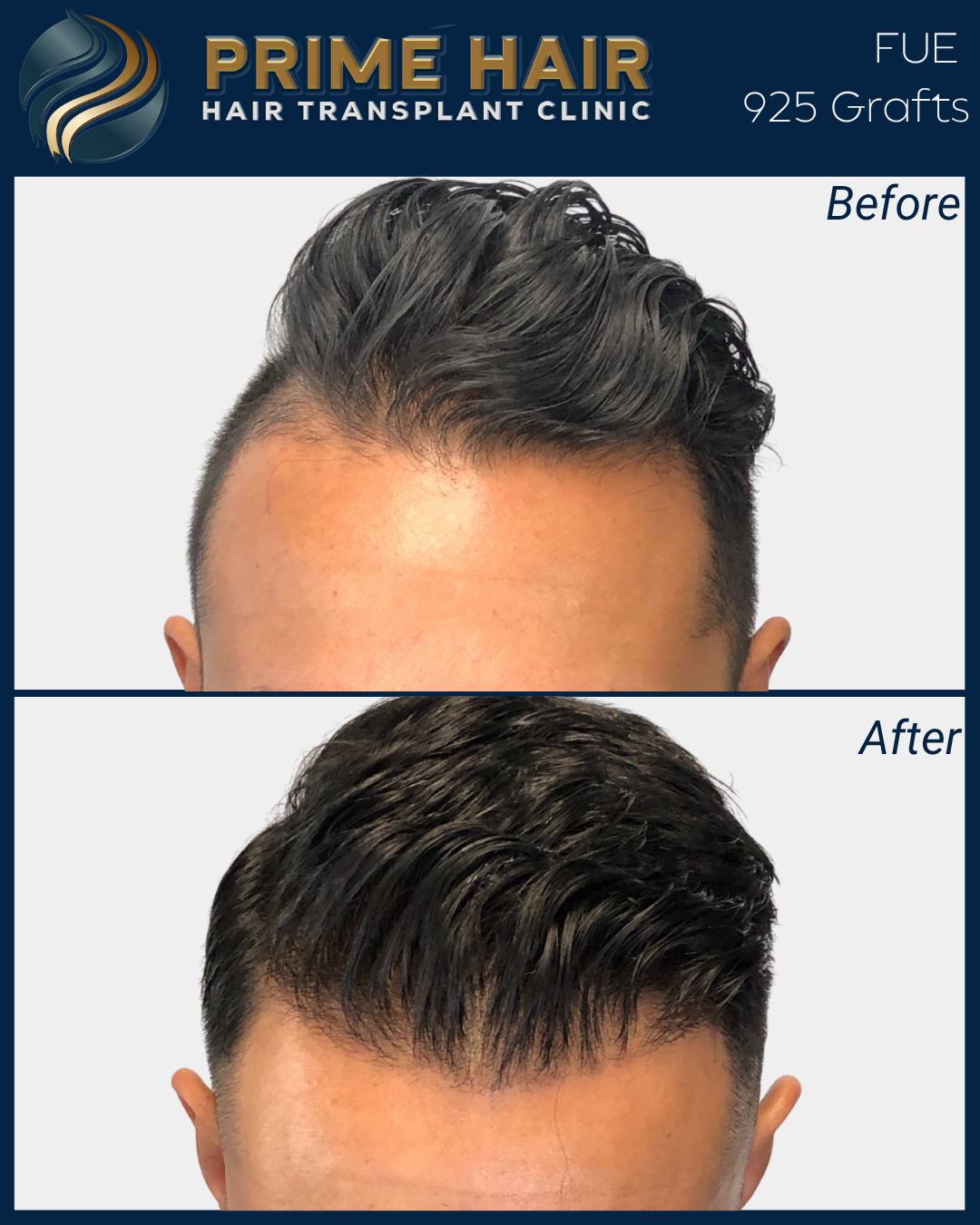
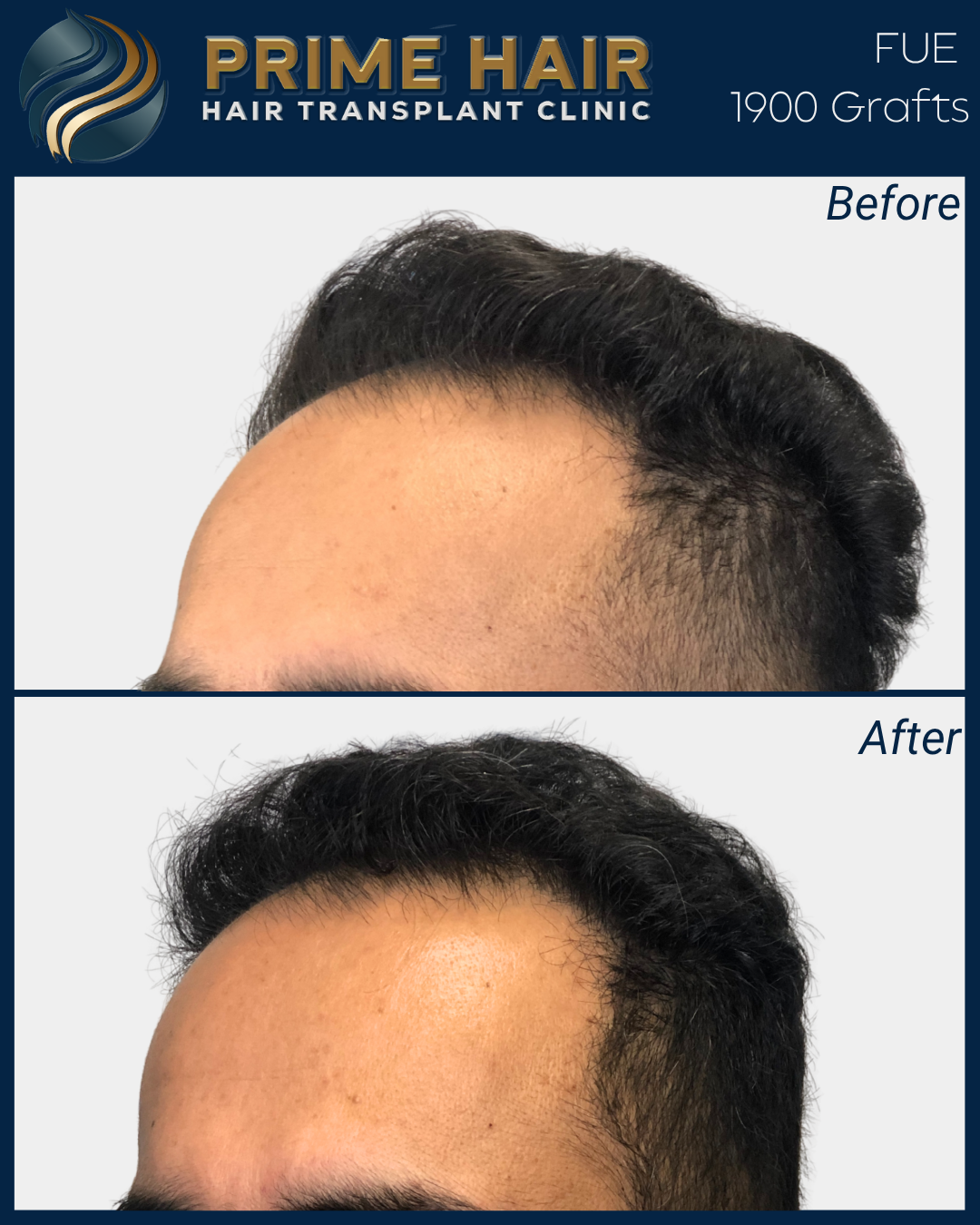
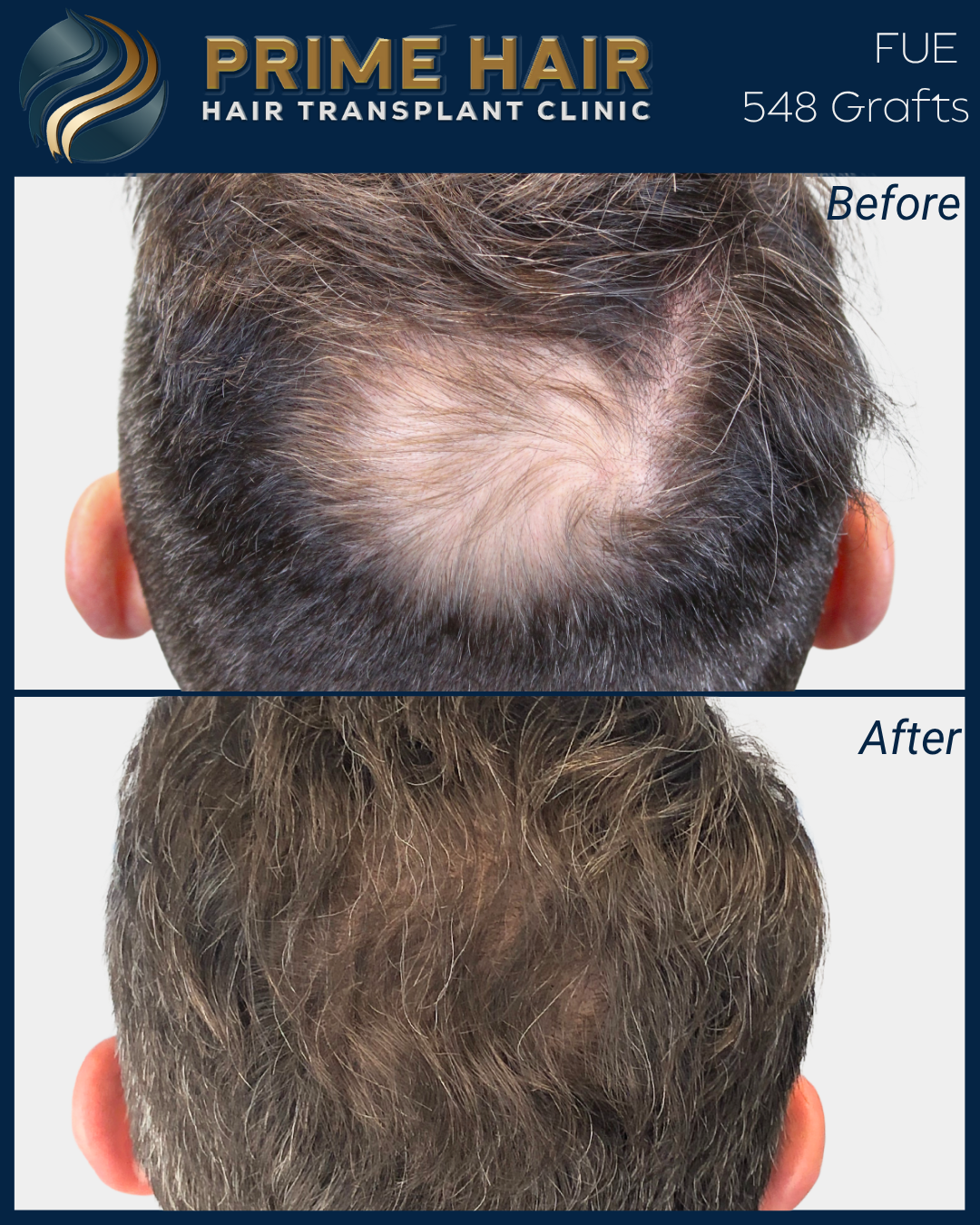
Real Patients. Real Results.
Your Questions Answered
-
No. Follicular Unit Excision involves cutting the skin leaving thousands of small circular scars. Claiming FUE to be scarless is dishonest, though unfortunately there are lots of inaccuracies in the industry promoted by marketing interests.
-
We are of the opinion that in the hands of a skilled surgeon, nothing compares to the quality of a handheld punch. We only use industry leading handheld motorized punches. Though promising, robotic transplant machines (ie. ARTAS) are still many years away from the calibre of a skilled surgeon. Suction aided FUE machines (ie. Neograft) don’t allow for real time inspection of grafts and may cause unnecessary trauma, therefore are not utilized at our clinic.
-
Follicular Unit Excision is not the preferred initial harvesting method for large transplant needs. Suitable surgeries would be 2500 grafts or less at a time. In situations when many thousands of grafts will be needed over the course of a lifetime, FUT should be strongly considered in combination with FUE.
-
The FUE procedure necessarily has to harvest from a larger area than FUT. Sometimes that involves going outside of the ‘safe donor area’. If the transplanted donor hair was taken from an area that is not immune to baldness, it’s possible for the hair to fall out at some stage following a transplant.