
Follicular Unit Transplantation
Find a Permanent Solution to Hair Loss With FUT
FUT Hair Transplant (Strip Surgery) in Calgary
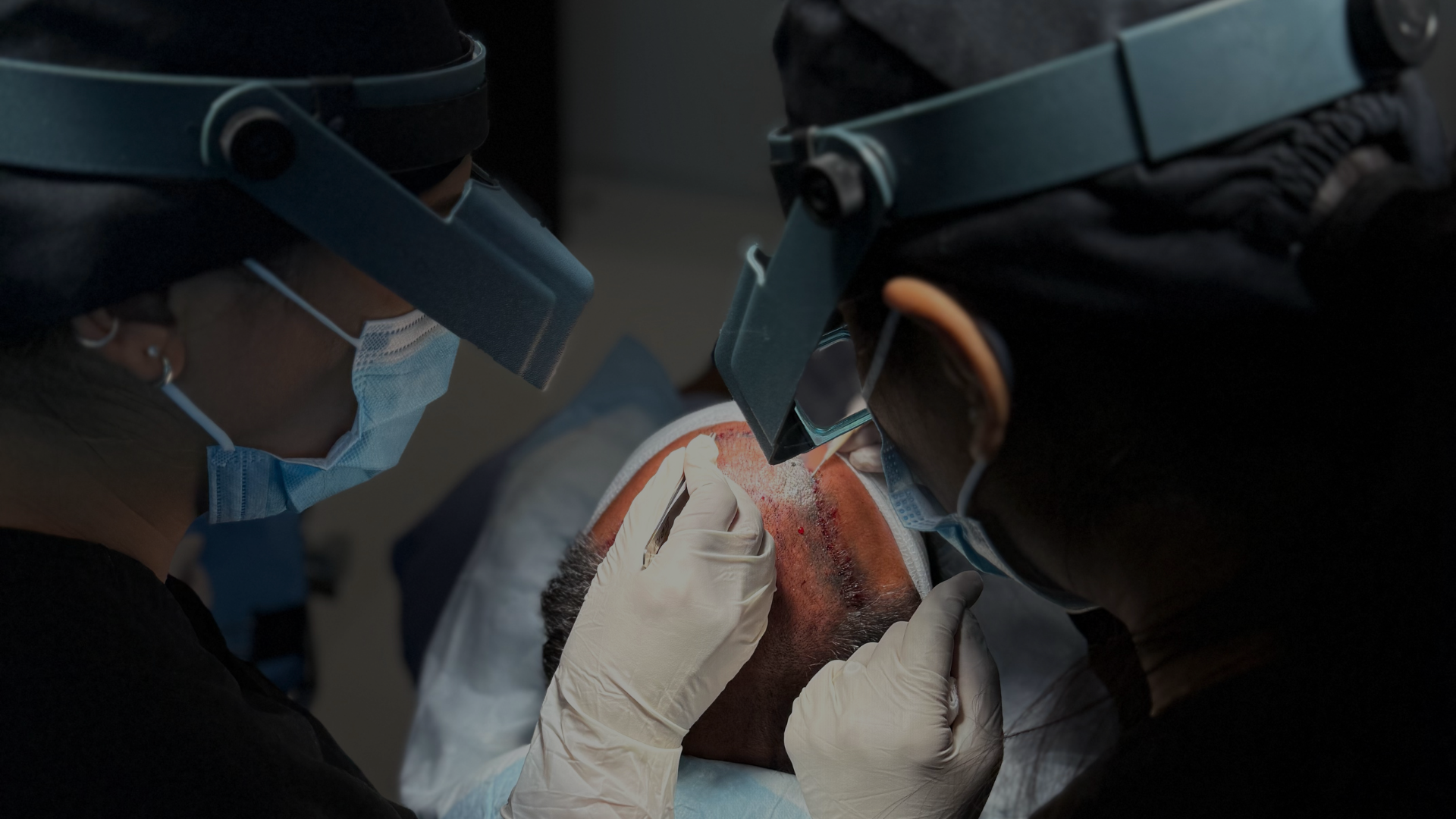
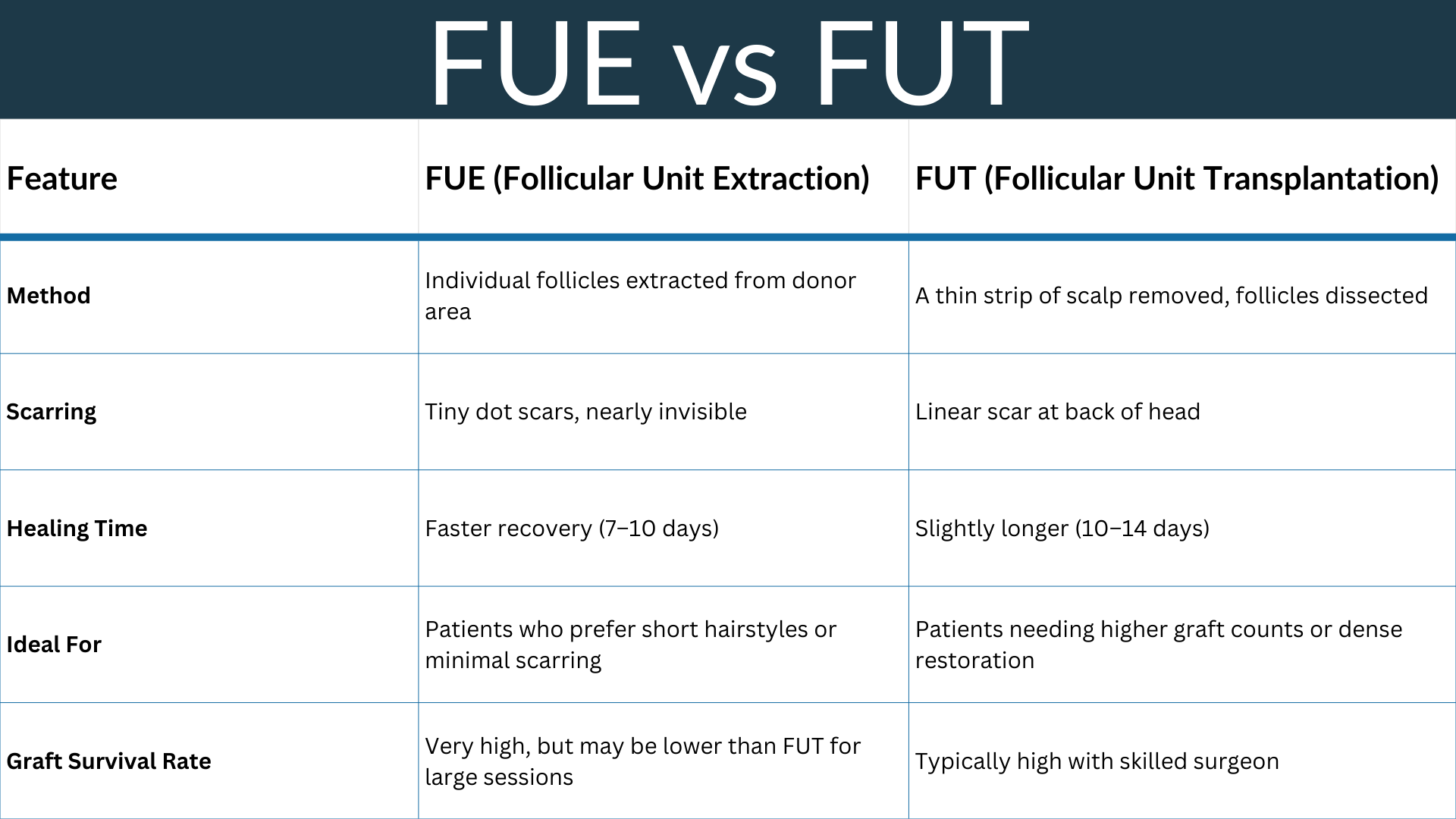
Follicular Unit Transplantation (FUT)—also known as strip harvesting—is a surgical hair transplant technique offered at Prime Hair Clinic in Calgary, Alberta. FUT involves removing a thin strip of hair-bearing scalp from the donor area, which is then carefully dissected into individual grafts and transplanted to areas of thinning or hair loss. All procedures are performed by licensed medical professionals, and this method is often recommended for patients who require a high graft yield in a single session.
What Is FUT Hair Transplant Surgery?
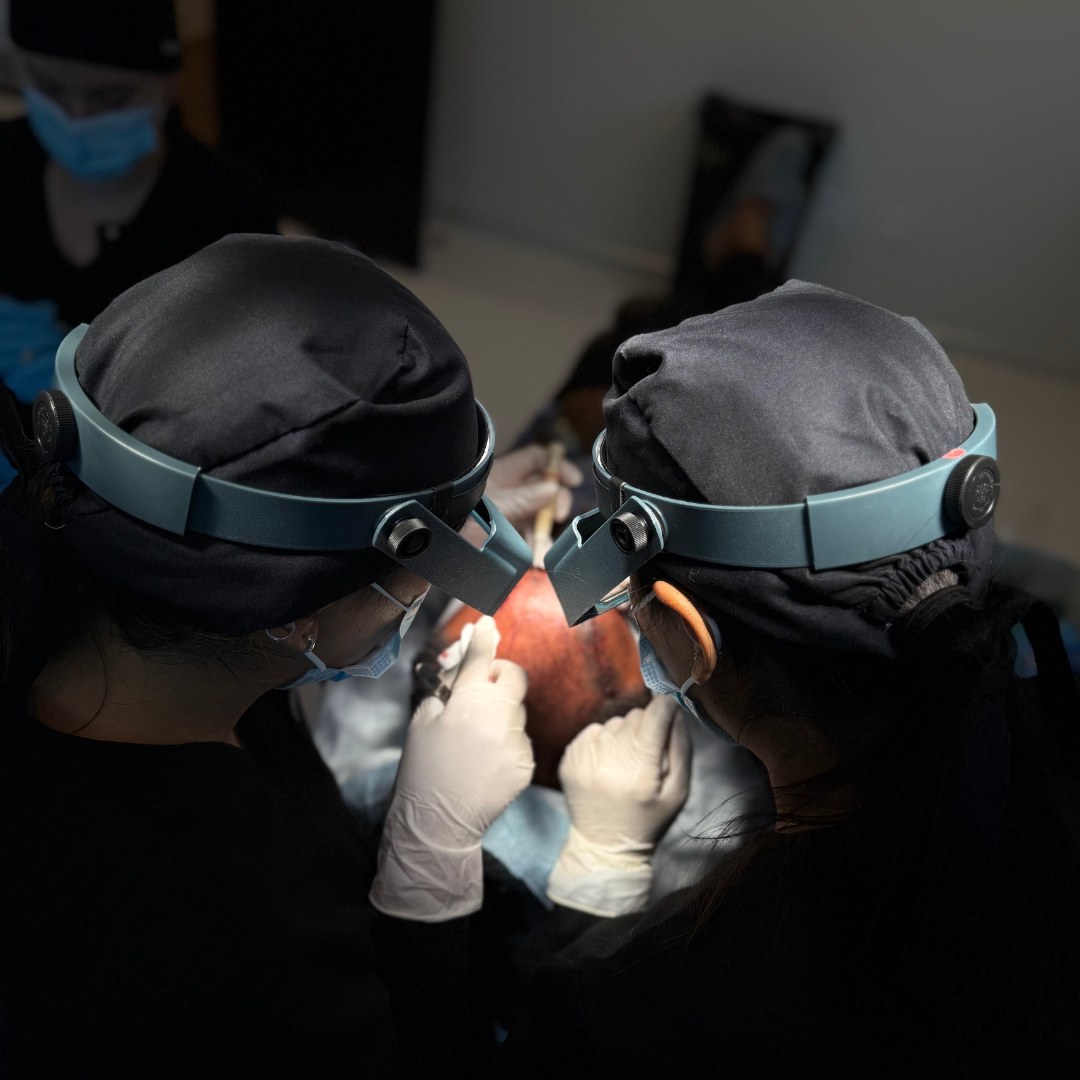
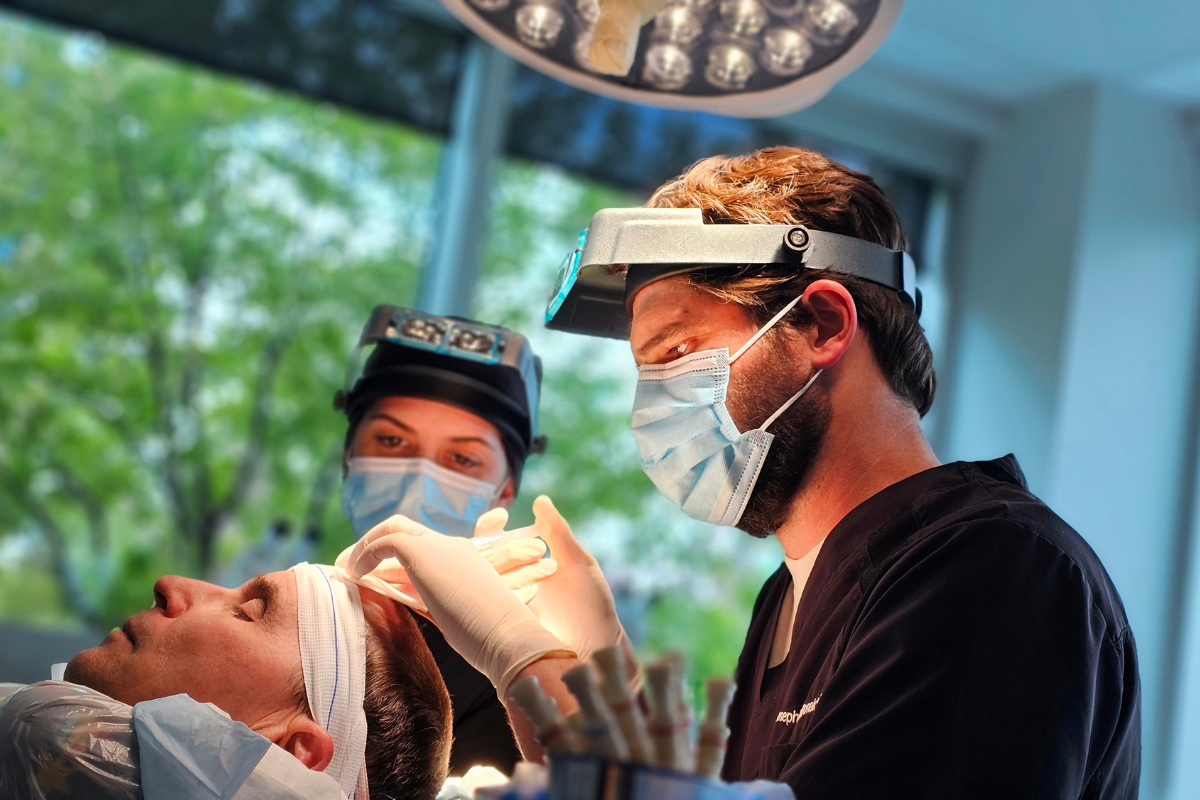
FUT is a well-established hair restoration procedure that provides natural, long-lasting results. During the procedure, a narrow strip of scalp is removed from the donor area and closed using advanced suturing techniques. The harvested tissue is then meticulously prepared under magnification to preserve follicle integrity before implantation.
FUT is commonly chosen for patients with more advanced hair loss or those seeking maximum graft yield while preserving donor density for potential future procedures.
Who Is a Good Candidate for FUT?
FUT may be an ideal option for individuals who:
Have moderate to advanced male pattern hair loss
Require a larger number of grafts (often 2,000 or more)
Have good scalp laxity in the donor area
Prefer a cost-effective option for higher graft sessions
Wear their hair longer at the back of the scalp
FUT may not be recommended for patients who prefer very short hairstyles or who have limited scalp elasticity. A medical consultation is required to determine candidacy.
How Does FUT - Follicular Unit Transplantation Work?
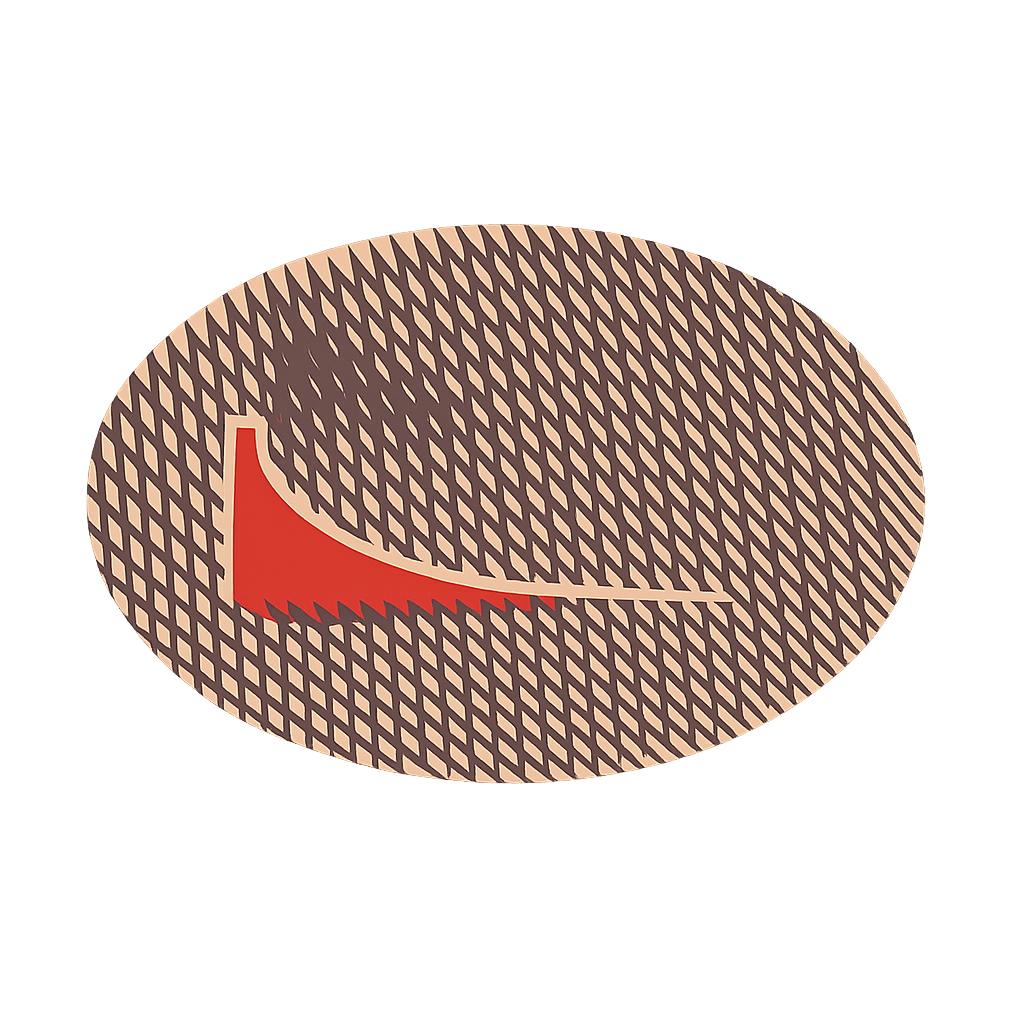
Strip Harvesting
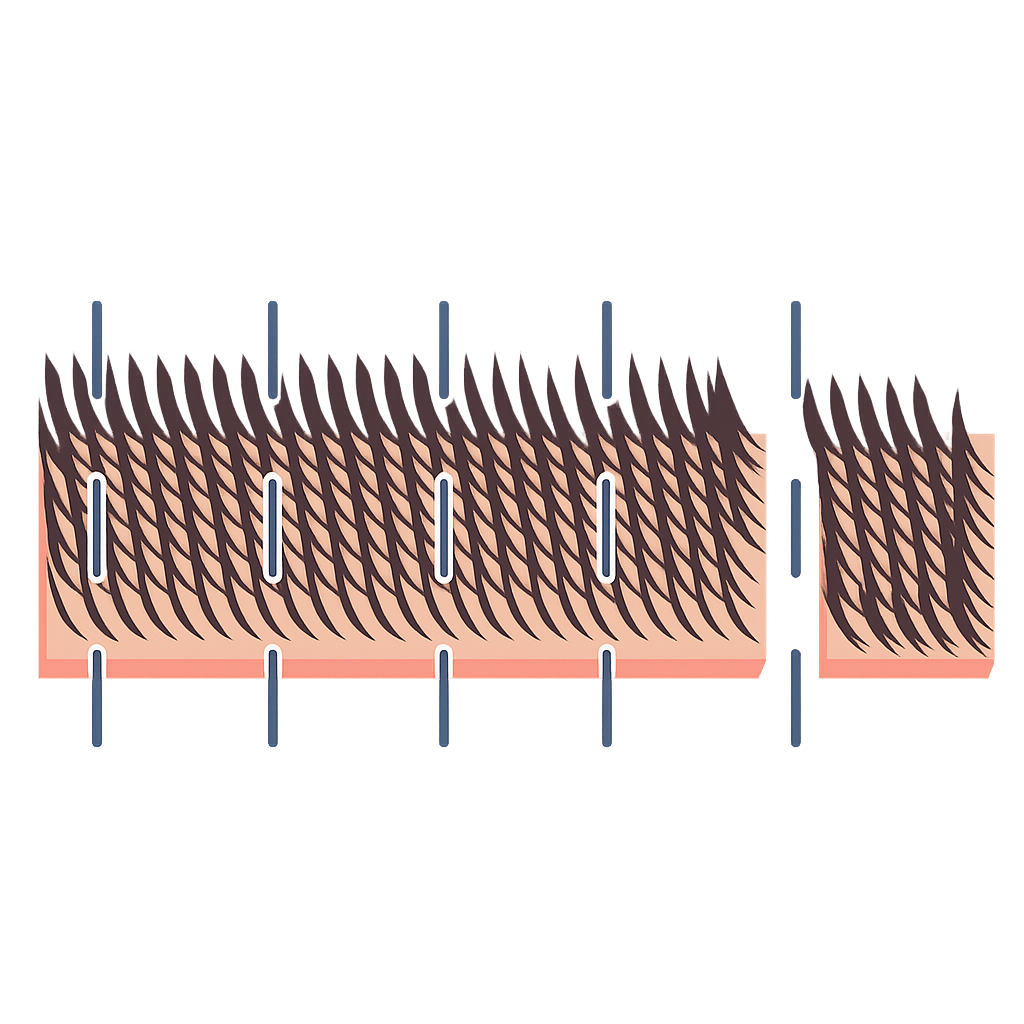
Strip Slivering
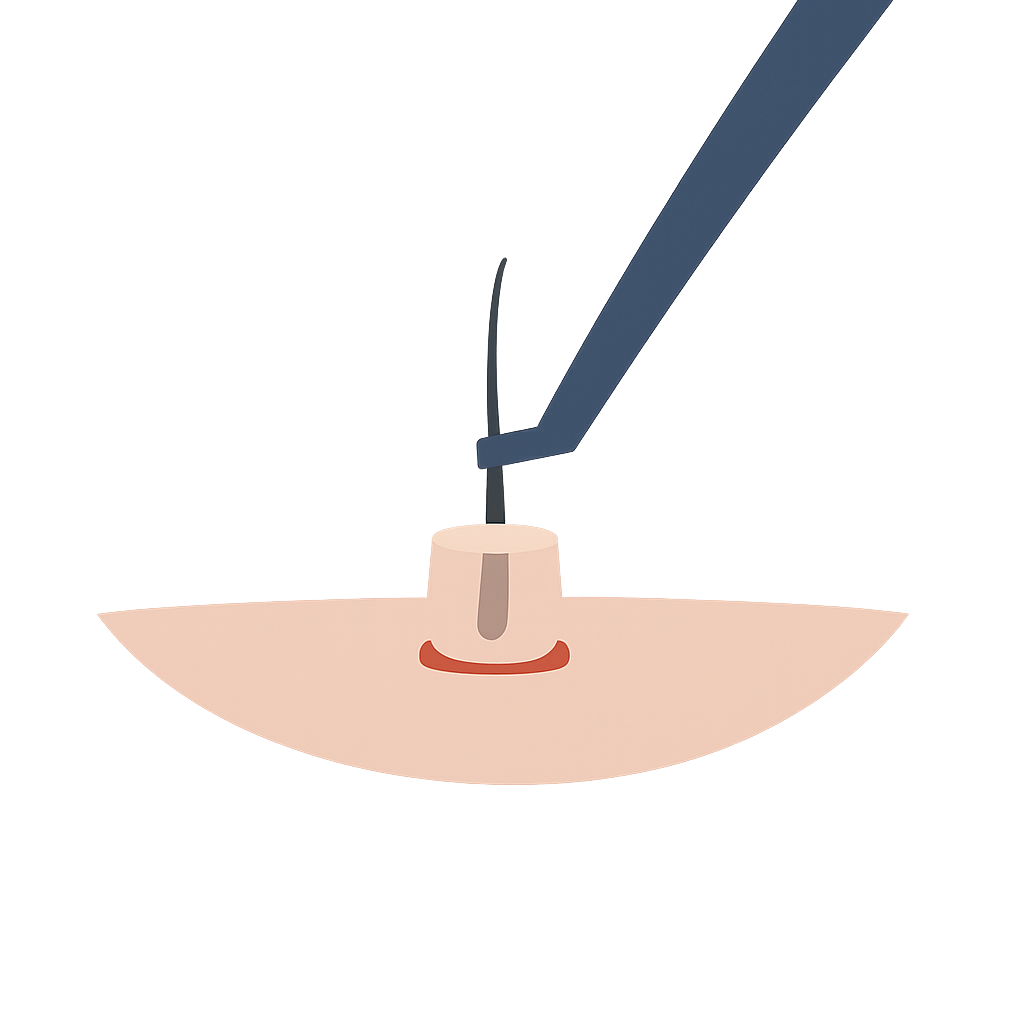
Strip Graft Dissection
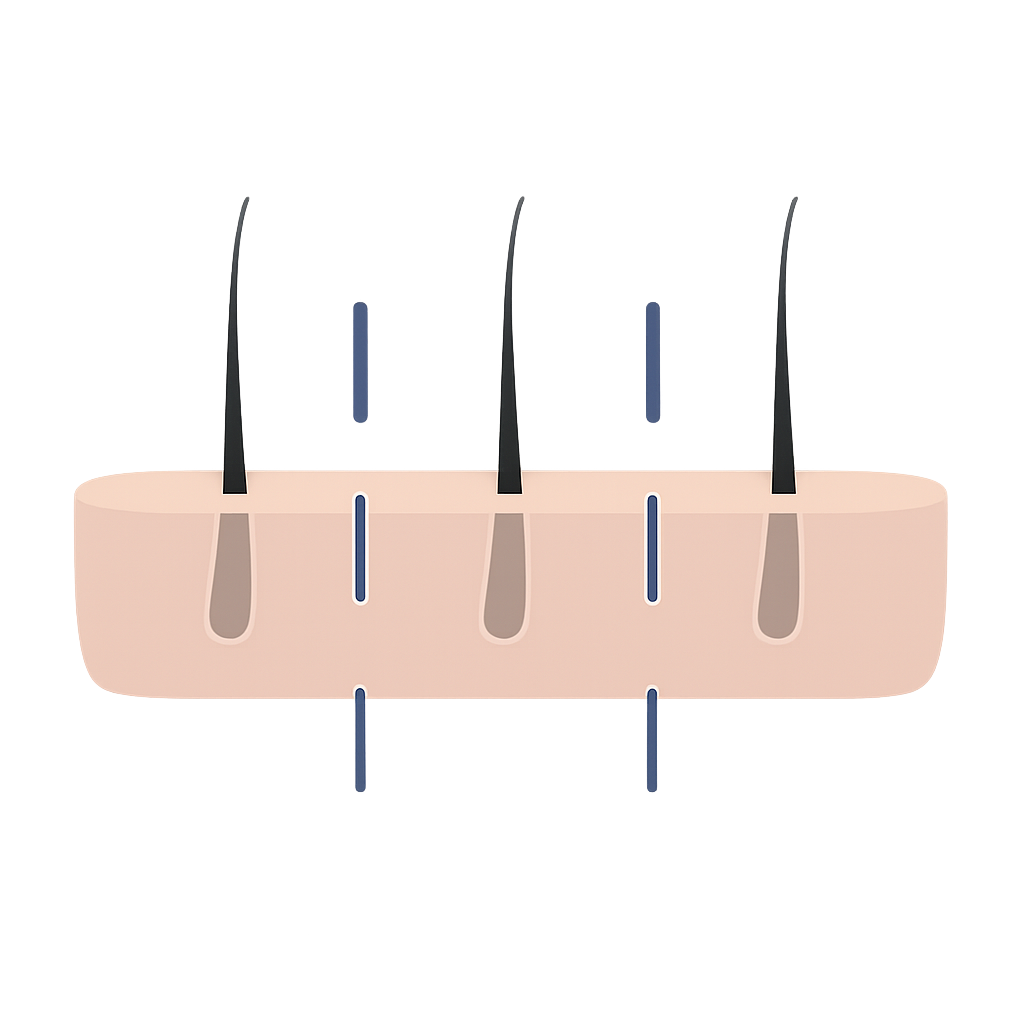
Graft Implantation
How the FUT Procedure Works
Comprehensive medical consultation and scalp assessment
Donor strip removal under local anesthesia
Advanced closure of the donor area
Microscopic dissection of follicular units
Precise graft placement into thinning or bald areas
Patient comfort, safety, and natural hairline design are prioritized throughout the procedure.
Recovery Timeline & Healing
Days 1–7: Mild swelling and tightness may occur
10–14 days: Sutures removed; donor area continues healing
2–4 weeks: Transplanted hairs shed (a normal phase)
3–4 months: New hair growth begins
9–12 months: Final results become visible
Detailed post-operative instructions are provided to support proper healing.
Risks & ScarringLike any surgical procedure, Follicular Unit Transplantation (FUT) comes with certain risks, including potential temporary swelling, numbness, or discomfort. FUT typically results in a linear scar in the donor area, but advanced closure techniques are utilized to minimize its visibility. In many cases, the scar can be easily concealed by surrounding hair.
All potential risks and expectations will be thoroughly discussed during your consultation.
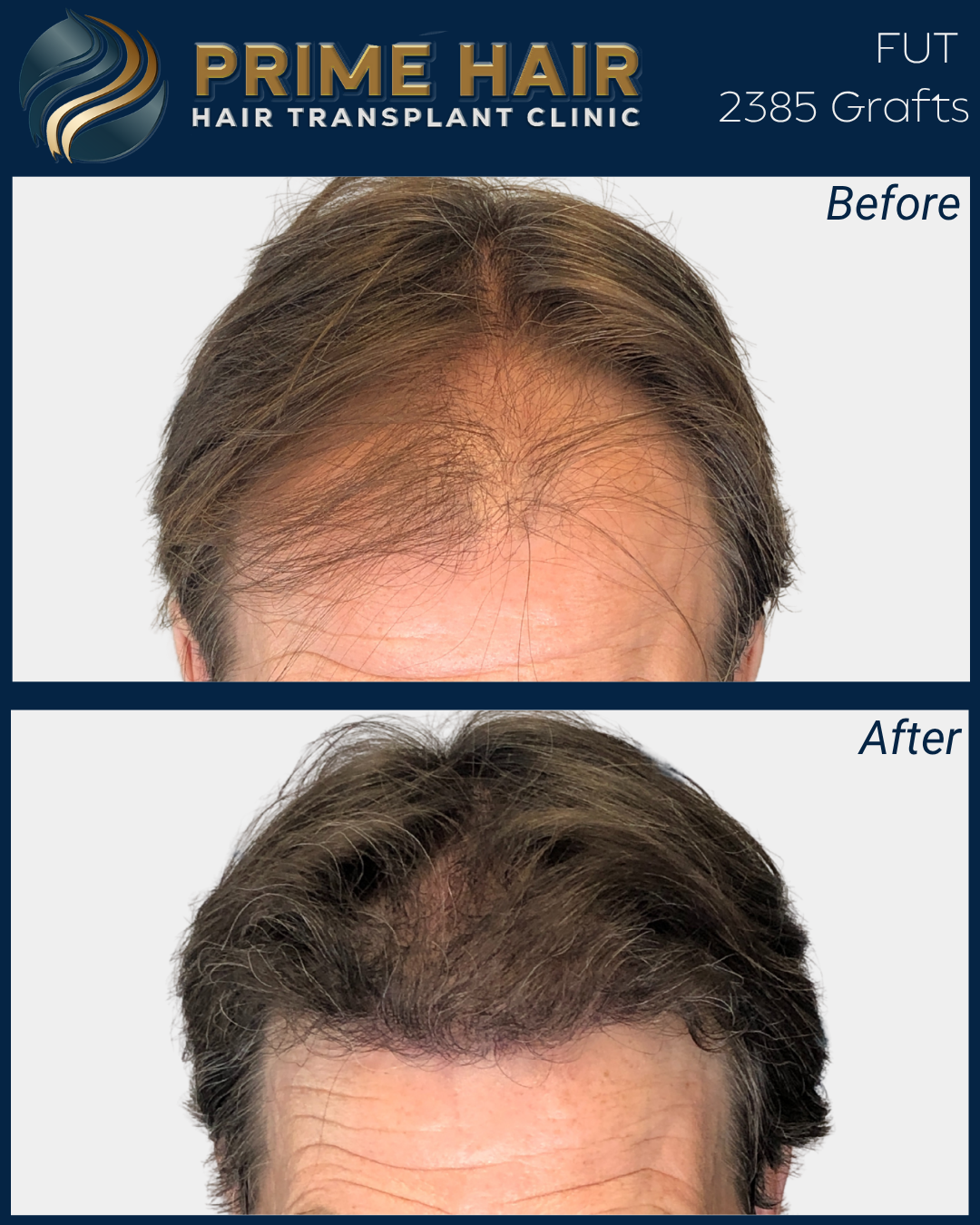
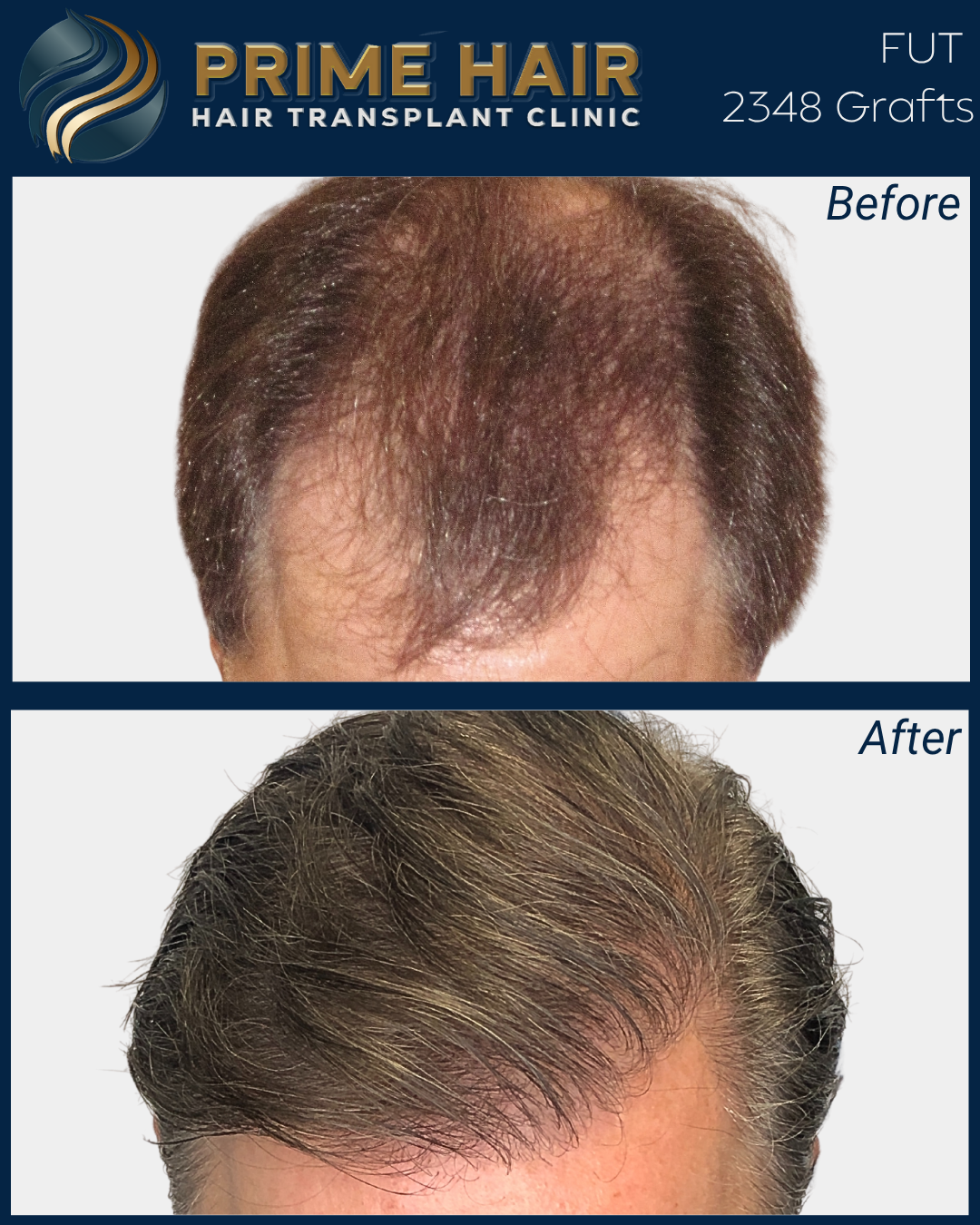
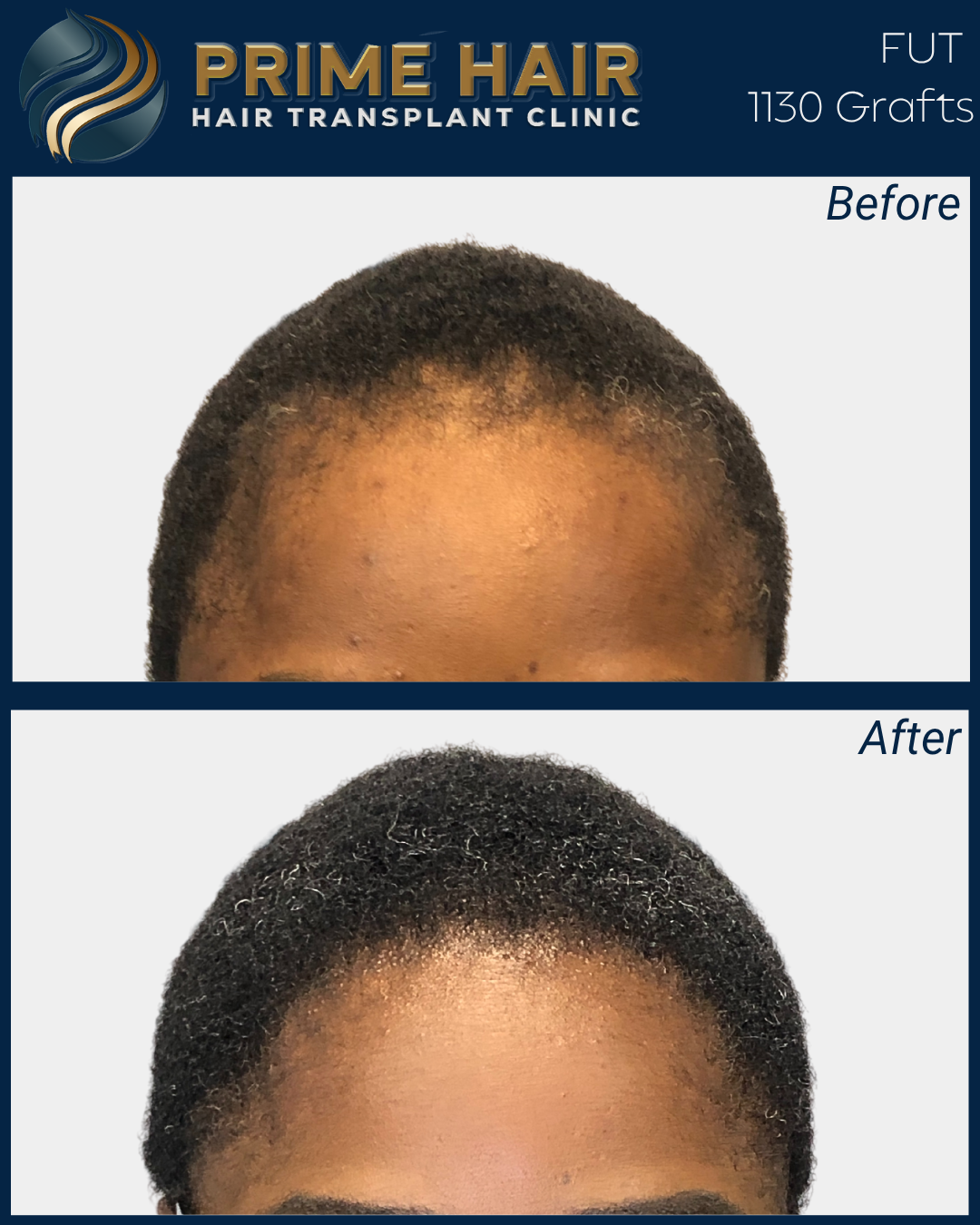
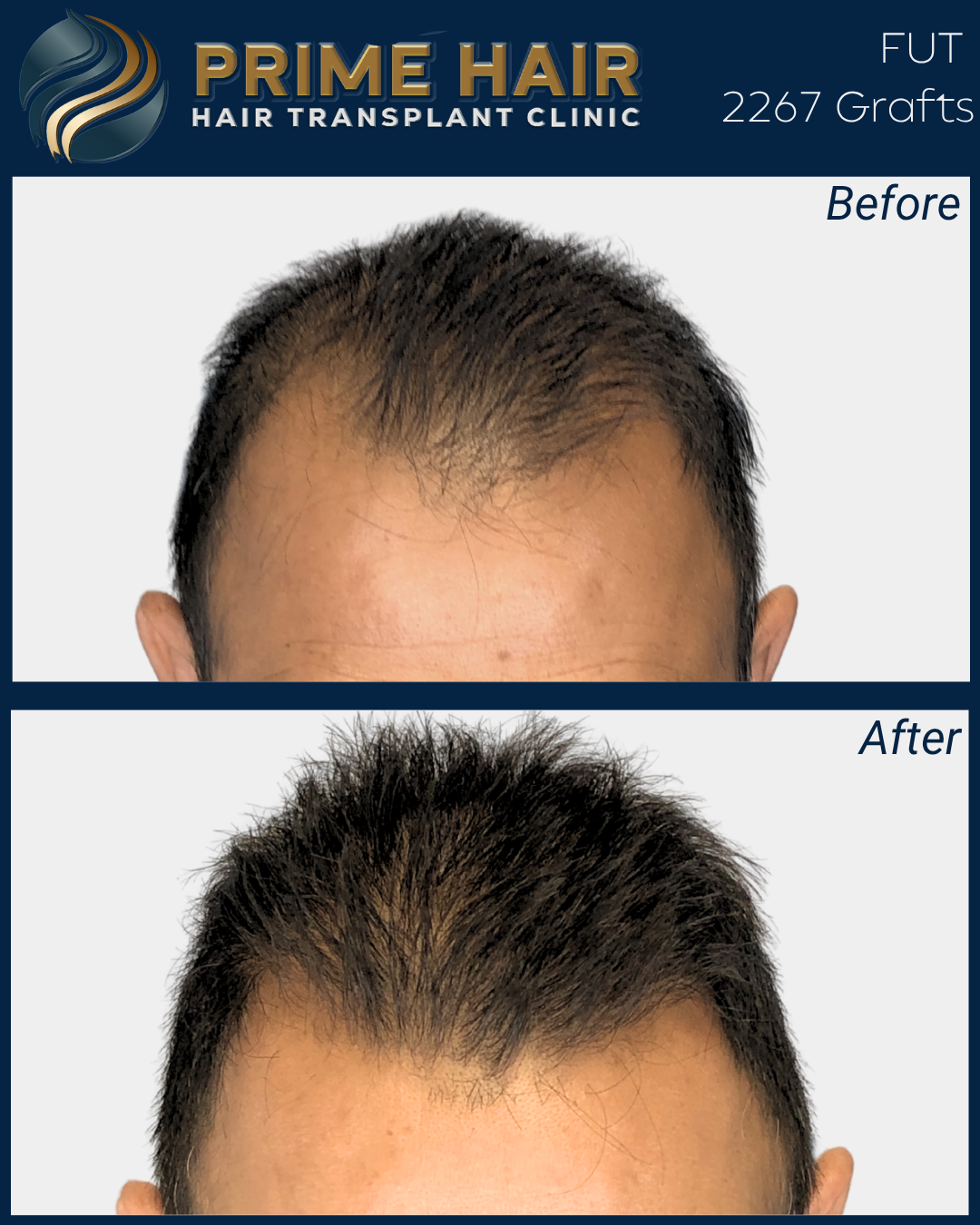
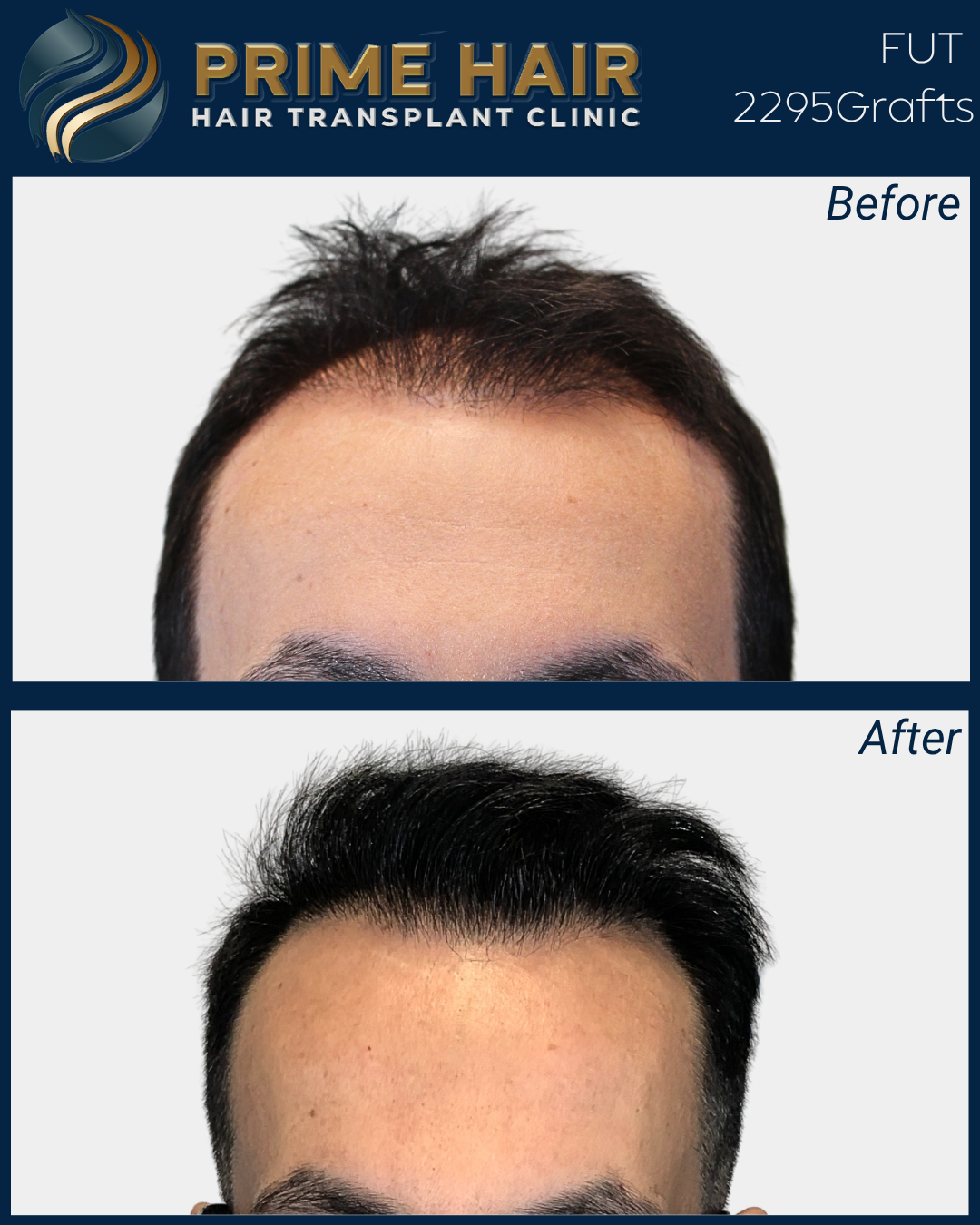
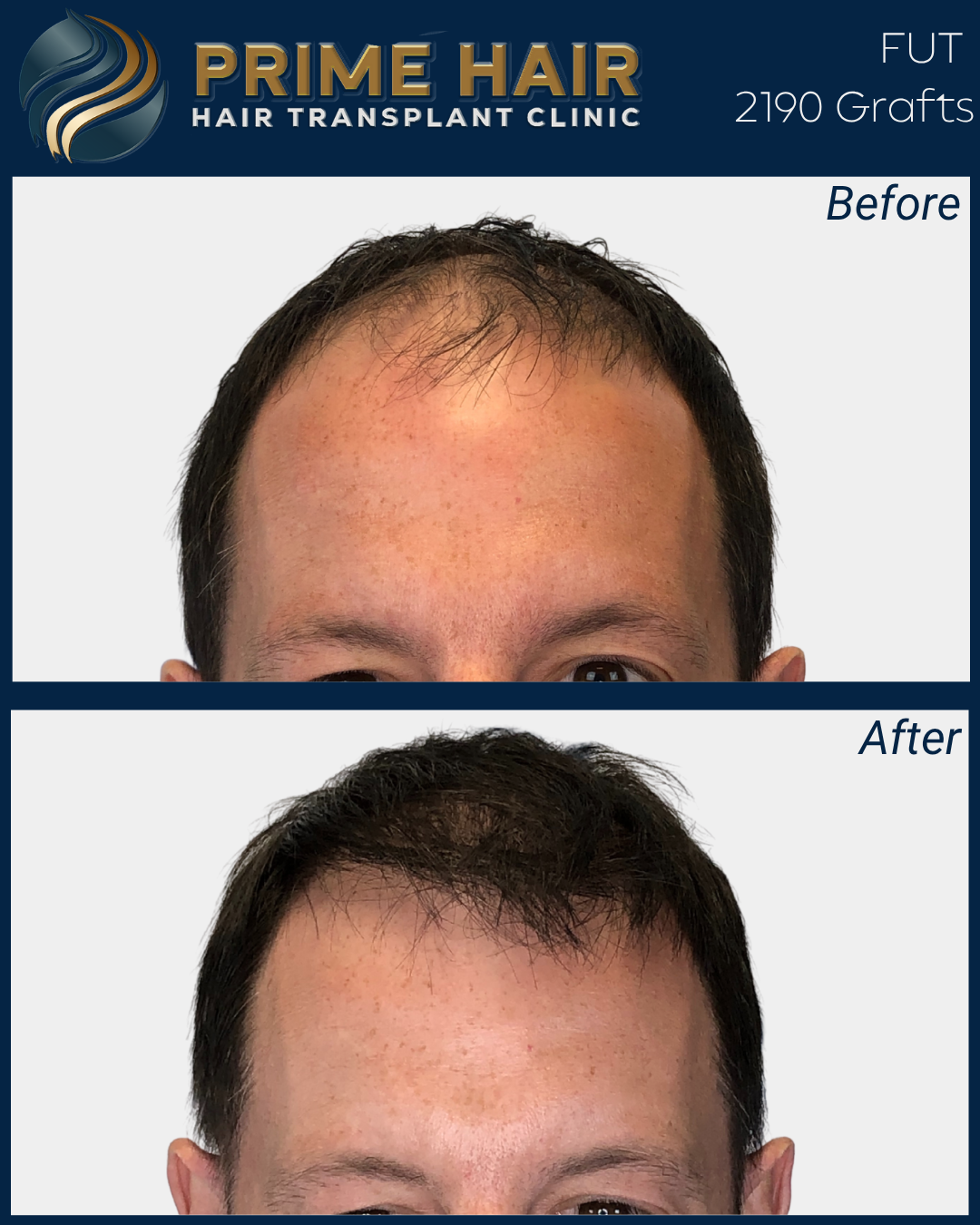
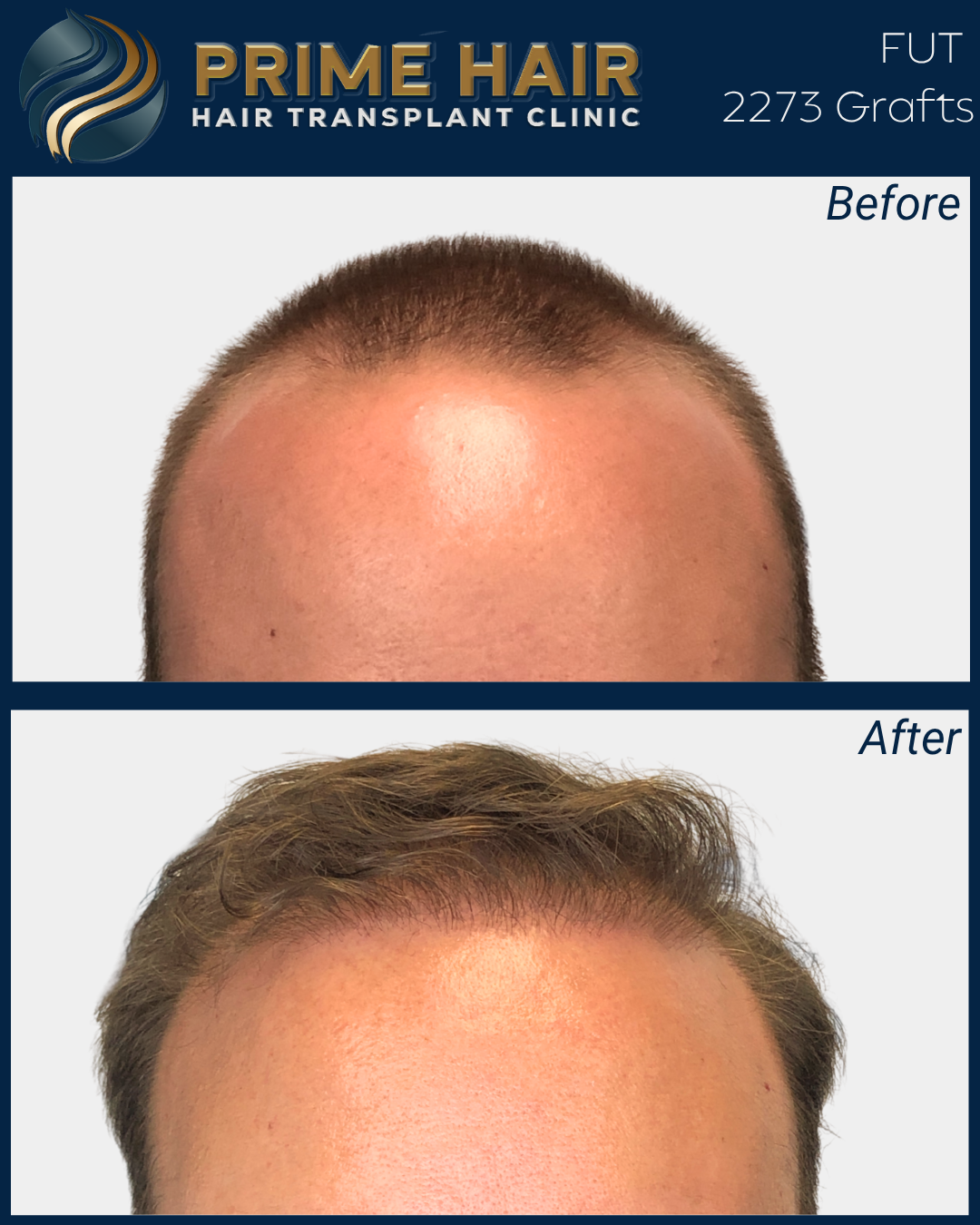
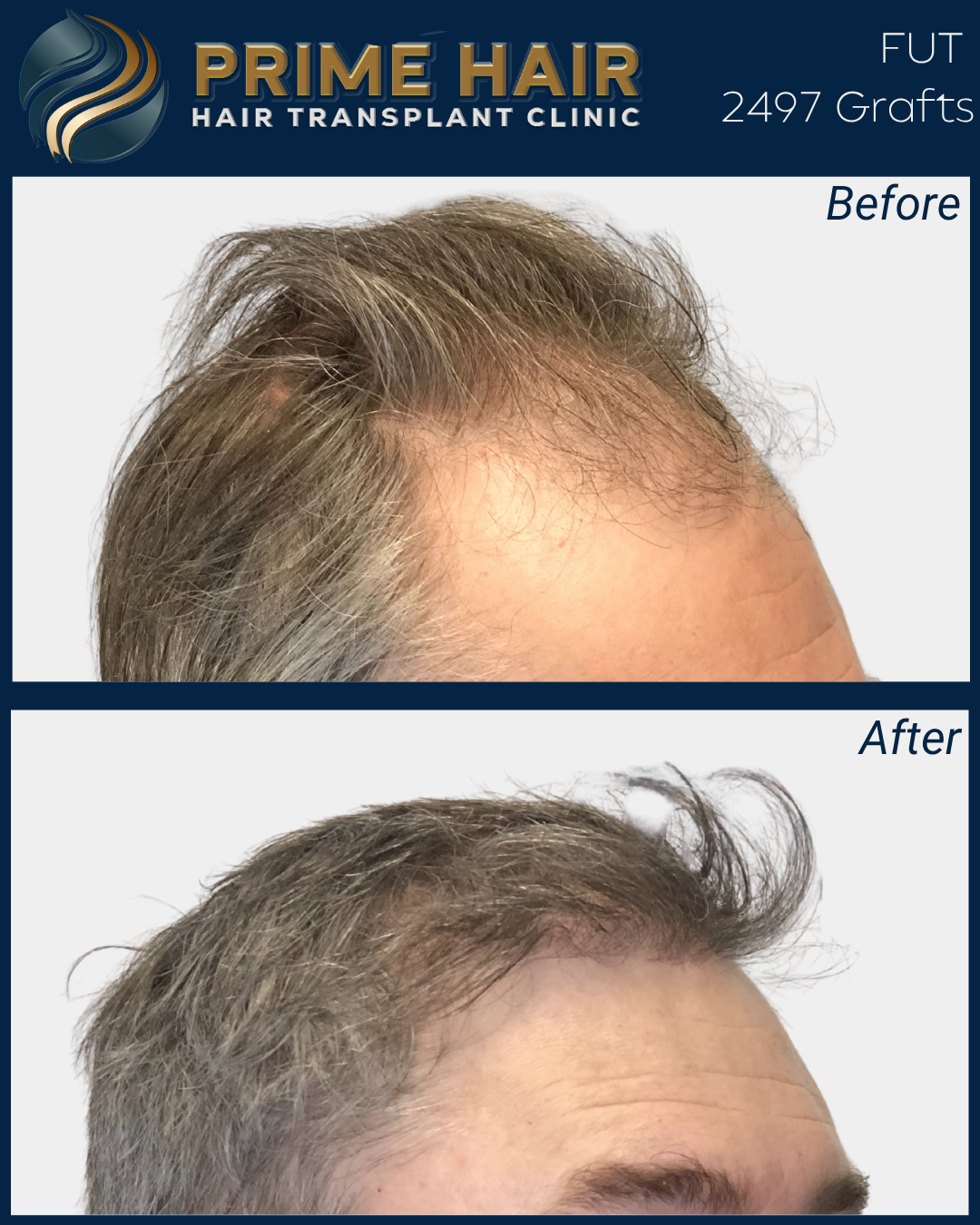
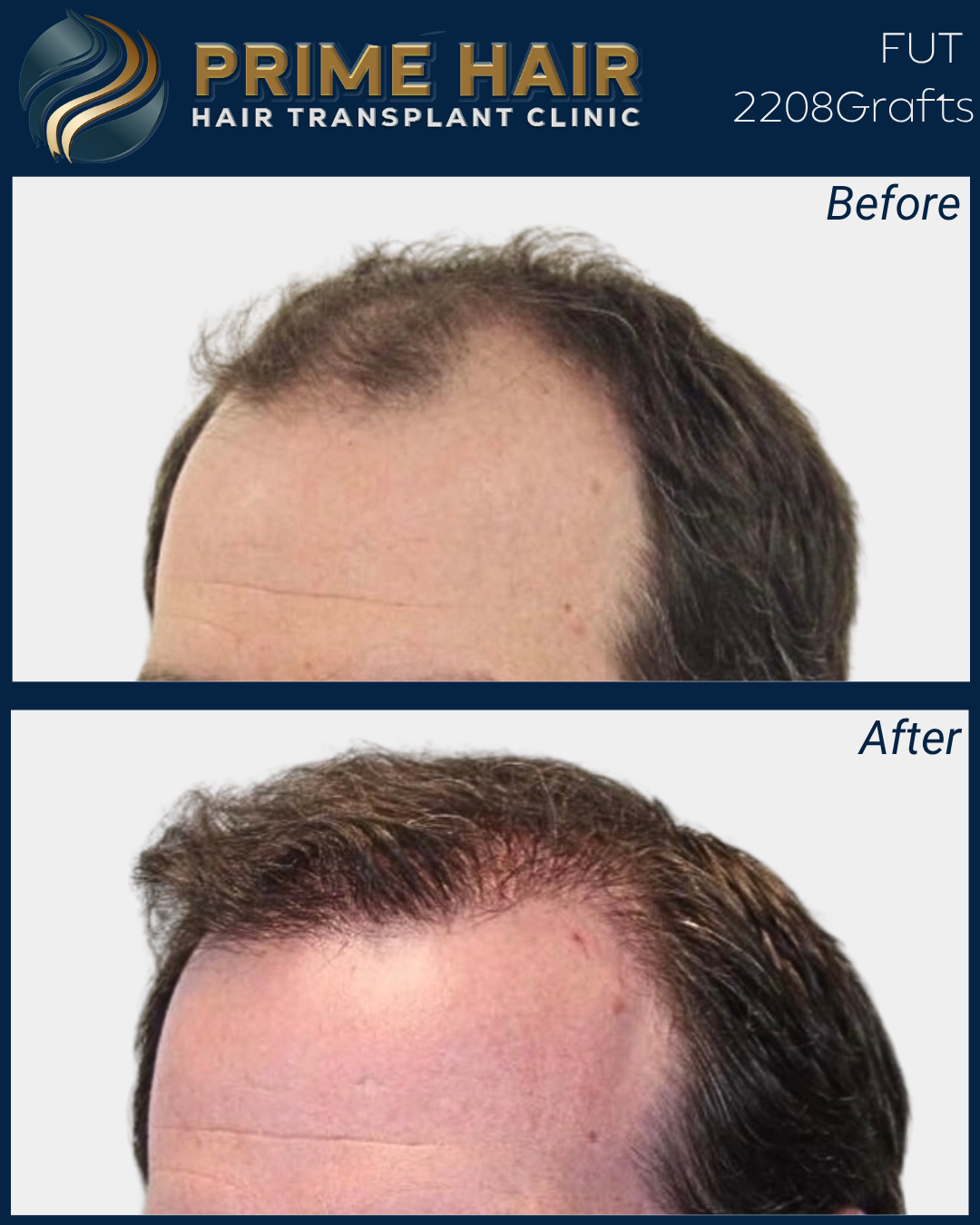
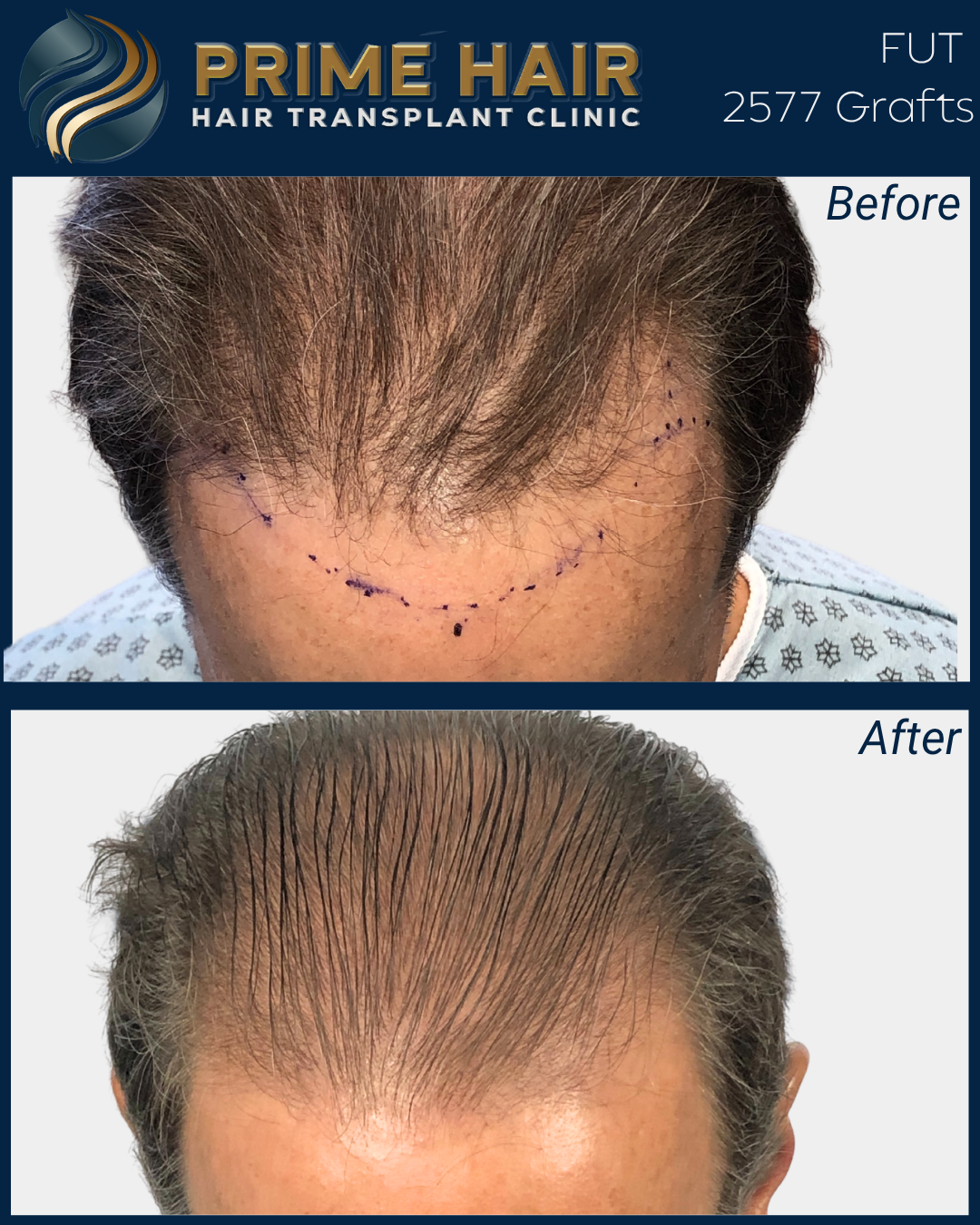
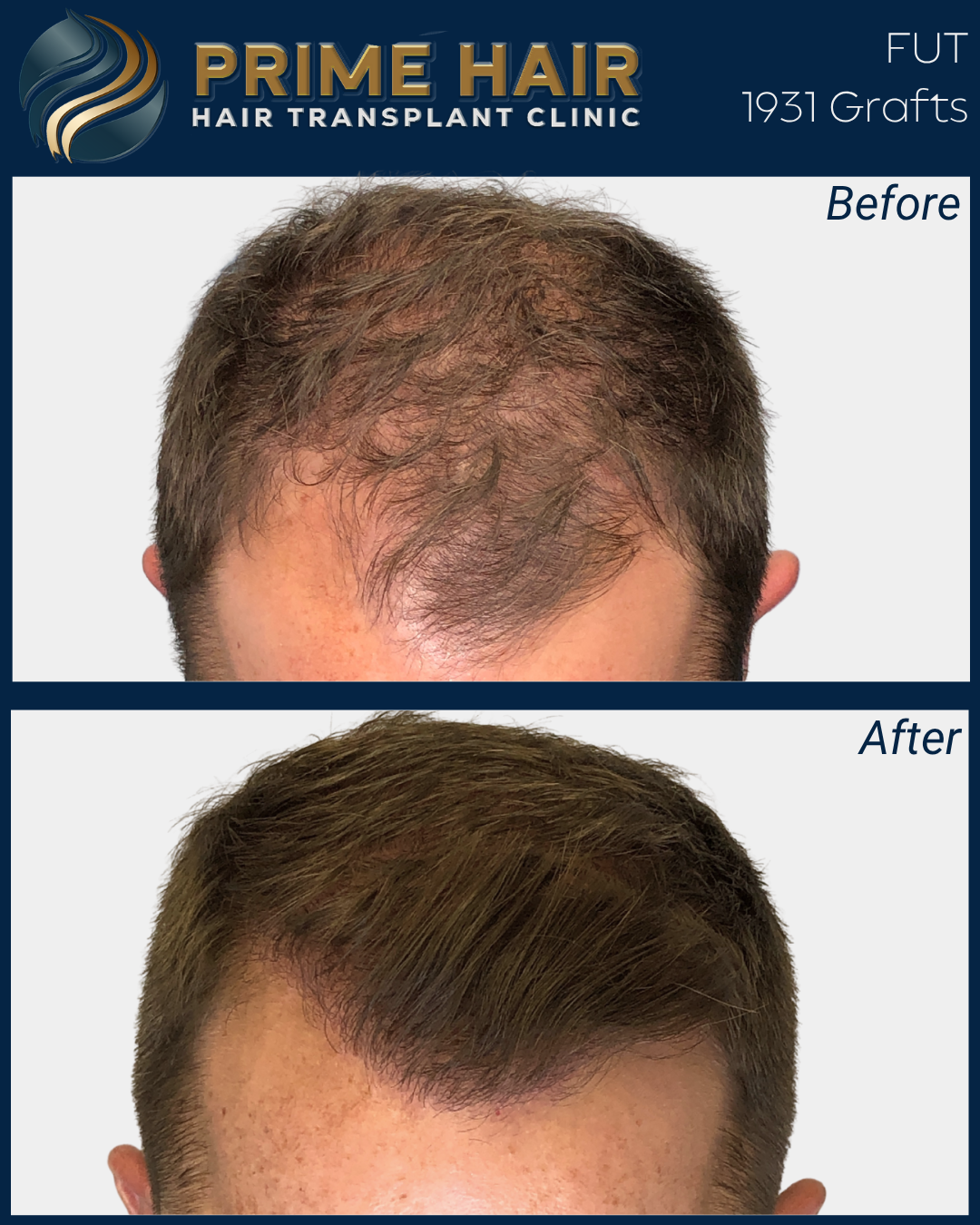
Real Patients. Real Results.
Your Questions Answered
-
The procedure itself has many variables. We like to tell our patients to prepare for a full day. We provide lunch and snacks and, as the day progresses, we can keep you informed as to the estimated end time. A typical surgery last 8-10 hours.
-
On a scale of 1 to 10, the pain you experience on the initial injection should be about a 1. Throughout the day, the doctors will reinforce the anesthetic as needed to make the day as comfortable as possible. There will be more discomfort the night of surgery as the anesthetic eventually wears off. We will, however, send you home with some medication to help with the pain. The morning after surgery, most patients do not require any pain medication however you will notice some tightness and tenderness at the ends of the sutures; this will dissipate within the first week.
-
For the first week of surgery, you will have irritation, scabbing and some swelling. The sutures in the back of the head will be easily concealed by combing your hair down over them. If you are having surgery to add density to the crown and if you have some hair that is long enough, you may be able to conceal the scars even during your first week of healing. If you are creating or adding to a hairline, then it will be noticeable for the first week.
-
You do not necessarily have to shave your head for FUT. Shaving the head does make it easier to see the area for determining donor sites and also for planting the grafts, however, in many cases it is not crucial to the surgery itself to shave.
-
We offer financing options through the Beautifi Financing Platform